
By Abisagi Nalwadda
It’s 11 am in Kampala and as the sun beats down on her home, Joanita Nakibirango stands by her charcoal stove, fanning the fire under a big black saucepan. Since 2020 she has worked frying chapati and mandazi, a sweet dough treat, selling them to schoolchildren and others passing on the dusty road outside.
But as climate change brings more heat extremes in Uganda’s capital, and around the world, working in her small, iron-roofed home increasingly has left her dizzy and sweating heavily on the hottest days.
“At first I felt very thirsty and sweaty but I thought it was just part of the job and that I would cope easily,” the 41-year-old remembers. But in 2024 while she was pregnant and working through sweltering temperatures, she also began experiencing heavy cramps in her abdomen – “more intense than usual cramps, enough to make me cry out,” she said.
With her husband out of a job and children to feed, Nakibirango didn’t feel like she could step back from the work. But then the bleeding started.
“I was rushed to the hospital, where doctors said I was badly dehydrated, with high blood pressure,” she said. “By then it was too late to save the pregnancy.”
Miscarriages, still births and pre-term births are a rising threat globally as heat extremes grow more intense, and as pregnant women are increasing exposed over longer periods to excessive heat, including at night.
That exposure is causing a wide range of health problems for the women, such as higher rates of gestational diabetes and high blood pressure, and in turn affecting their unborn children, according to a range of studies, including a 2024 report in the journal Nature Medicine.
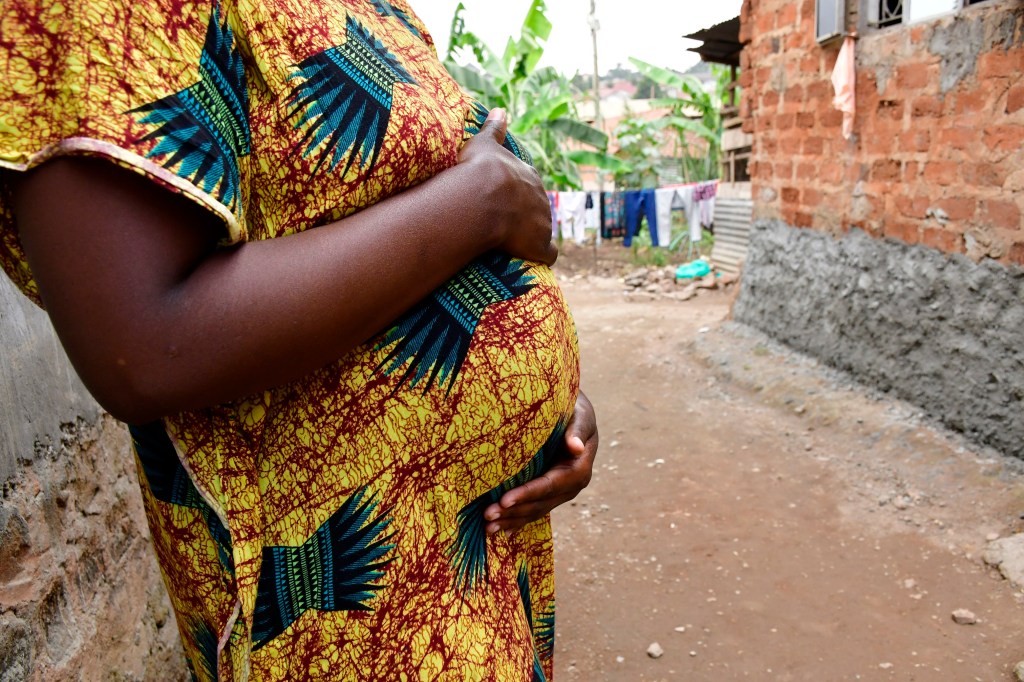

In Kampala, pregnant women are among the groups most severely affected by extreme heat, with 72% of residents of low-income areas of the city identifying pregnant women and their children as highly vulnerable to heat stress, dehydration, discomfort and related problems, according to a 2022 report on heat risks by Makerere University’s Urban Action Lab and other groups.
Temperatures in the capital, which once remained largely below 30 degrees Celsius even in the summer are now reaching highs of 34-37C in the dry season, according to a World Bank climate risk profile for Uganda.
After her miscarriage, Nakibirango left the hospital with instructions to drink at least three litres of water a day, as well as milk, to help her stay safer in the heat. But following the orders hasn’t been easy, she admitted.
“Due to the need to finish my work in time it’s so hard for me to focus on drinking water – and drinking milk daily comes with a lot of expenses.” she said.
Stepping back from work isn’t an option either. “If I stayed home, we would go hungry and the bills would pile up,” she said quietly.
Rising miscarriage rates
Catherine Nansamba, a community health worker in Kampala’s informal settlements, said she sees high temperatures increasingly affecting pregnant women, especially in the hottest months of the year.
“On very hot days, many get dehydrated. I receive more reports of miscarriages in early pregnancy and among young mothers during heatwaves,” said Nansamba, a volunteer with the Village Health Teams (VHT) service established by Uganda’s health ministry.
She said that during particularly hot parts of the years, as many as three in 10 of her patients were losing their unborn babies, but said “this is not the actual number, because some hide (the problem).”
Miscarriages decline in the cooler months, she added.
Esther Katami, a pregnant woman Nansamba was visiting in Kampala’s Kiyanja zone, said the increasingly intense heat was making her uncomfortable in many ways.
“I hardly sleep at night. I take many showers but still feed bad,” said the 32-year-old, who was six months pregnant. In January, one of the hottest months of the year, “I used to get dizzy at work and partly undress for air – but people would stare in disgust, until I decided to stay home until I give birth,” said Katami, who used to be a saleswoman.
But even taking care of chores at home is hard work, she added.
“Normal people feel bad on hot days but for us pregnant women it’s much worse and more exhausting,” she said.
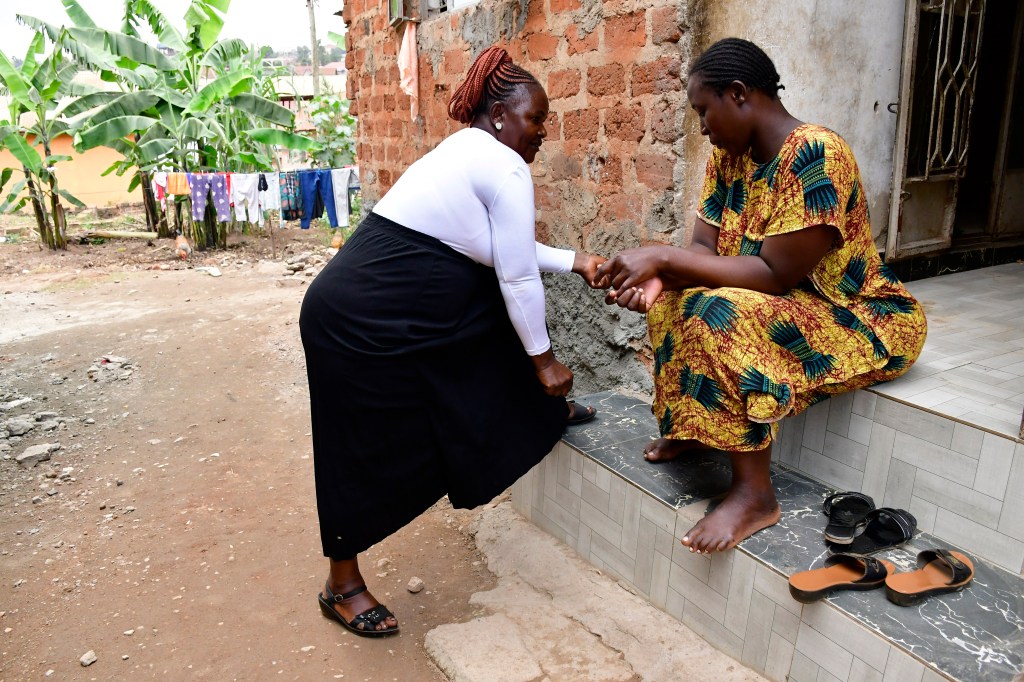
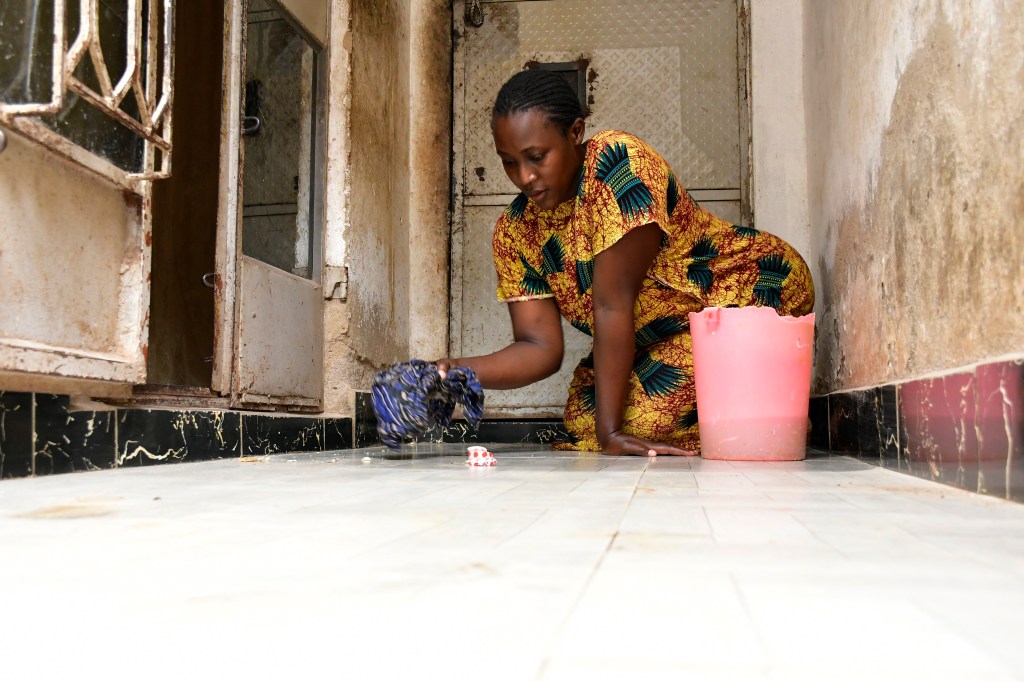
Nansamba, the visiting health worker, said she and others on her team had in the past received training on how heat and other climate change impacts were affecting community members, including pregnant women. But since U.S. aid cuts over the past year, that training has dried up, she added.
“Now we struggle as VHTs to educate these mothers,” she said.
Maternal health advice
Didacus Namanya, the climate change and health lead at the Uganda Ministry of Health, said heat once wasn’t seen as a serious issue in the country but that has changed as climate change intensifies the problem.
In some area, extreme heat has hurt crops, affecting nutrition for pregnant women, and has created other problems such as ruining medicines and vaccines used to treat pregnant women and others, he said.
Extreme heat can also raise blood pressure in pregnant women, contributing to miscarriages, he said, urging more on-the-ground studies of the problem.
“This is a source of concern in the health sector that we should target,” he said.
He advised maternal health facilities to take practical measures such as planting more trees near maternity wards to cool them, and ensuring new structures are designed to deal with climate change threats such as rising temperatures. That could include include adding cooling for operating theatres and installing more windows to improve airflow.
The country’s Health National Adaptation Plan (H-NAP) for 2025-2030, which takes into account threats from heatwaves, has been disseminated to more than 36 out of 146 districts and is now starting to be implemented, he said, though he noted that “I cannot vividly say how this has improved or affected mothers” yet.
Efforts to better integrate climate data – including temperatures, rainfall and humidity – into health management systems are also underway, he said.
For now, significant threats remain for pregnant women, especially those with little access to cooling or ability to stay home from work on hot days.
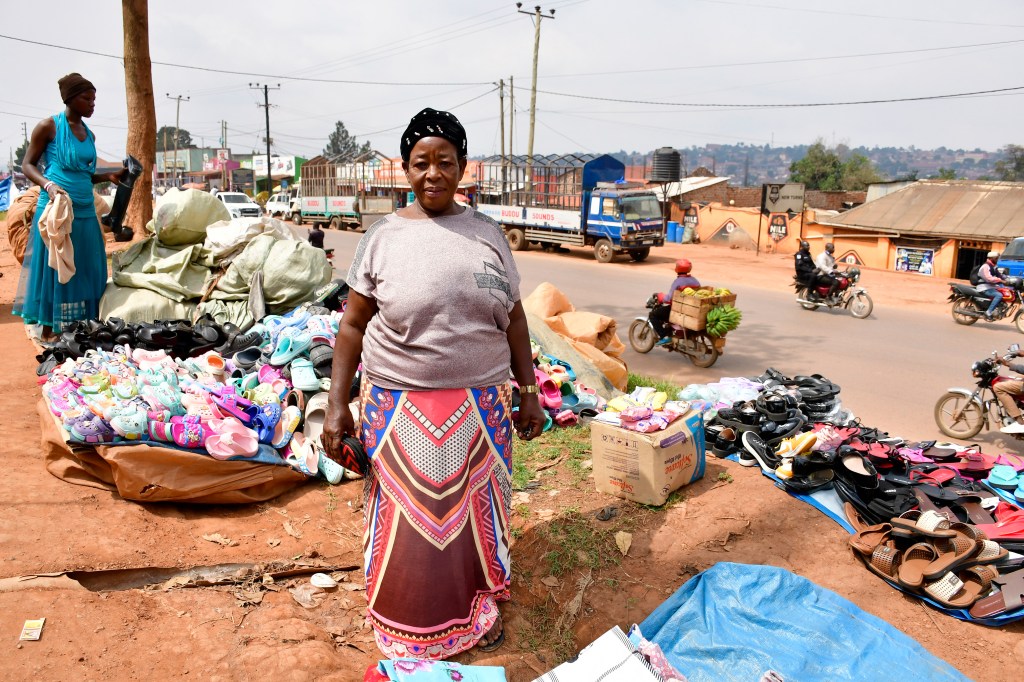
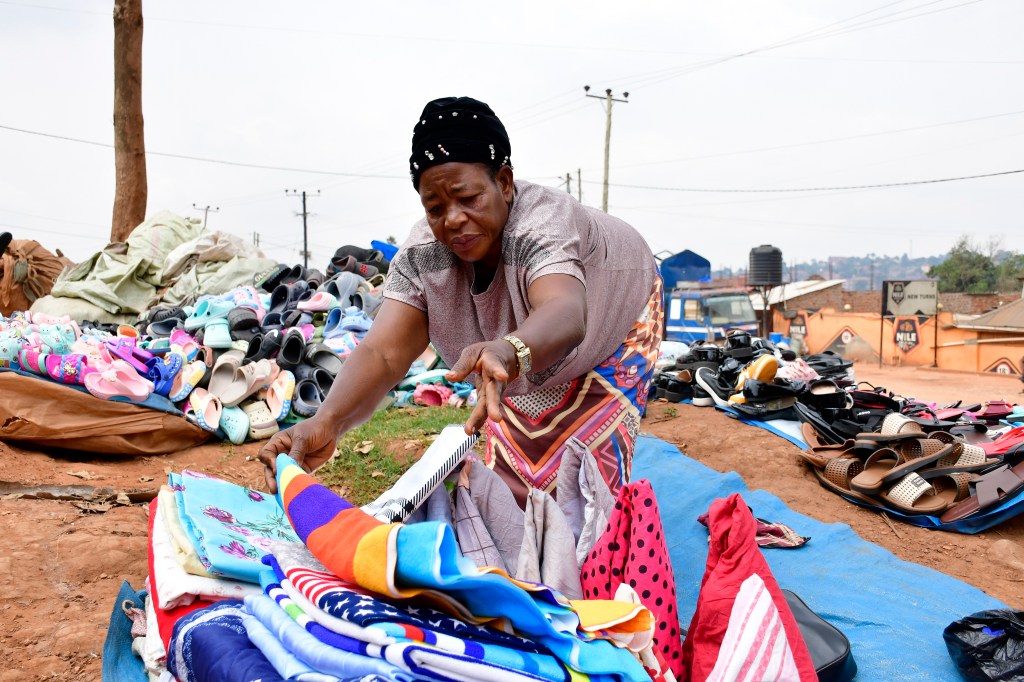
In Mpererwe, a Kampala suburb, market vendor Margret Nalubega remembers losing twins to miscarriage in her seventh month of pregnancy, despite warnings from doctors that she was dehydrated and her blood pressure was too high.
Temperatures were high at that time, more than a decade ago, and “I was asked to stop working in heat-exposed area but that was not easy for me because the type of job I do sometimes requires me to move long distances,” said Nalubega, who has two other now-adult children.
“I could not just sit at home. I had a lot of responsibilities,” she said.
Today, when neighbours call her “nalongo”, the term for a mother of twins in central Uganda, the pain returns, she said, even if no one means to hurt her.
“Some days the tears come suddenly like that first day and I’m filled with emptiness,” she said.
“The sorrow still walks with me.”