‘I have to risk it’: Street vendors bake outside steamy World Cup stadiums

“I do get headaches. It’s getting dangerous, standing out in the heat”
By Rachel Parsons
As Los Angeles hosted its first World Cup game, sweating players got new “hydration breaks,” intended to keep them safer as the global competition kicked off amid worsening heat extremes globally.
Outside the stadium, street vendor Shay’Prea Moore said she knew she needed to be careful too.
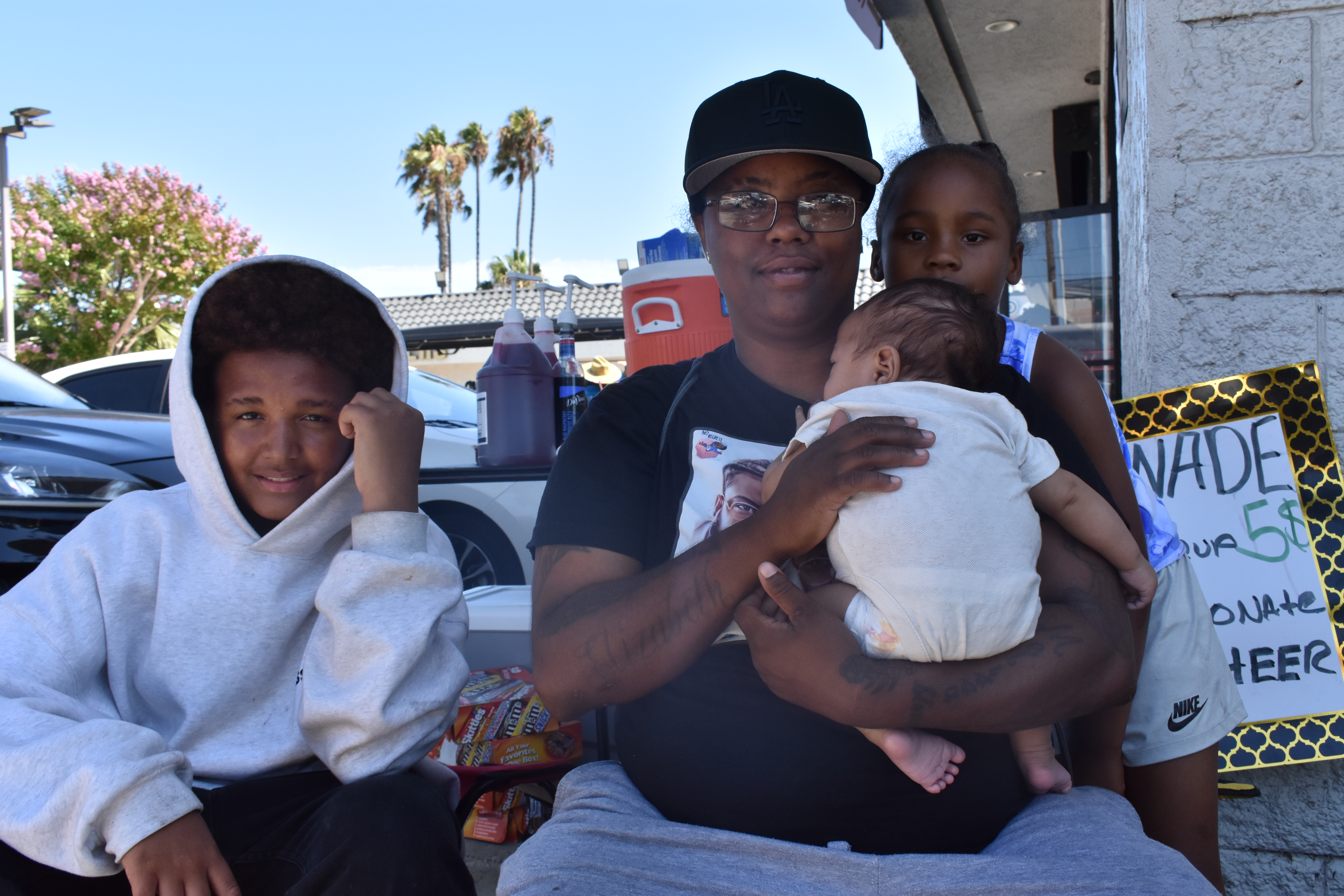
“For me, it can get really dangerous,” said Moore, a 34-year-old street vendor selling lemonade across the street from Los Angeles Stadium.
When she feels overheated, nausea kicks in and she tries to cool herself by rinsing her arms with cold water.
“If it doesn’t work, I have to go back to the car and turn the A.C. on,” she said, noting she worried about having a seizure in the heat if she wasn’t careful.
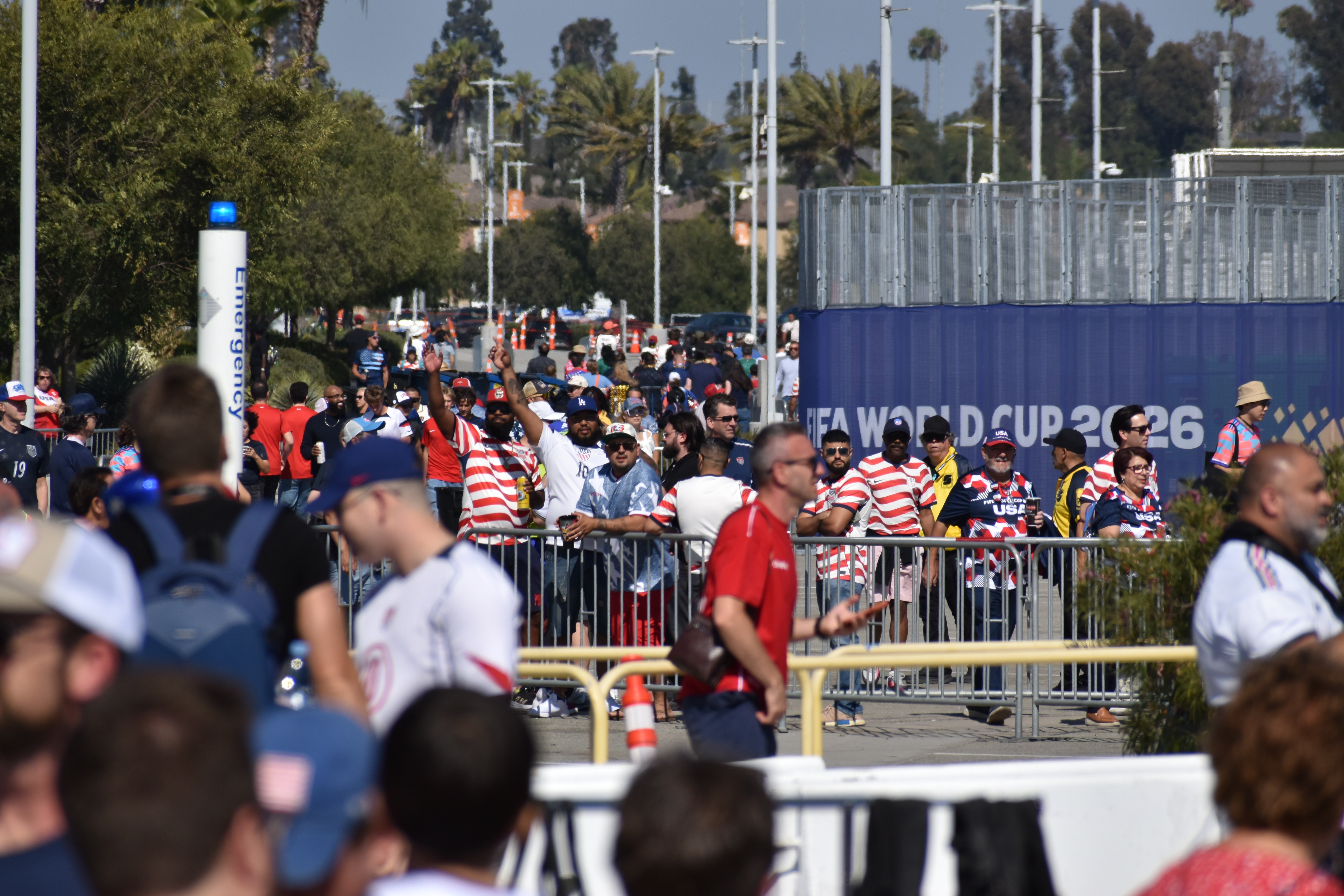
News coverage of the 2026 FIFA World Cup has highlighted rising heat health risks for athletes and fans flooding into North American stadiums by the hundreds of thousands.
But Moore is part of an overlooked population of thousands of street vendors working from Guadalajara to Toronto, making a living from the high-profile matches. Many are working in increasingly severe conditions without the protections that players, fans and formal stadium workers have.
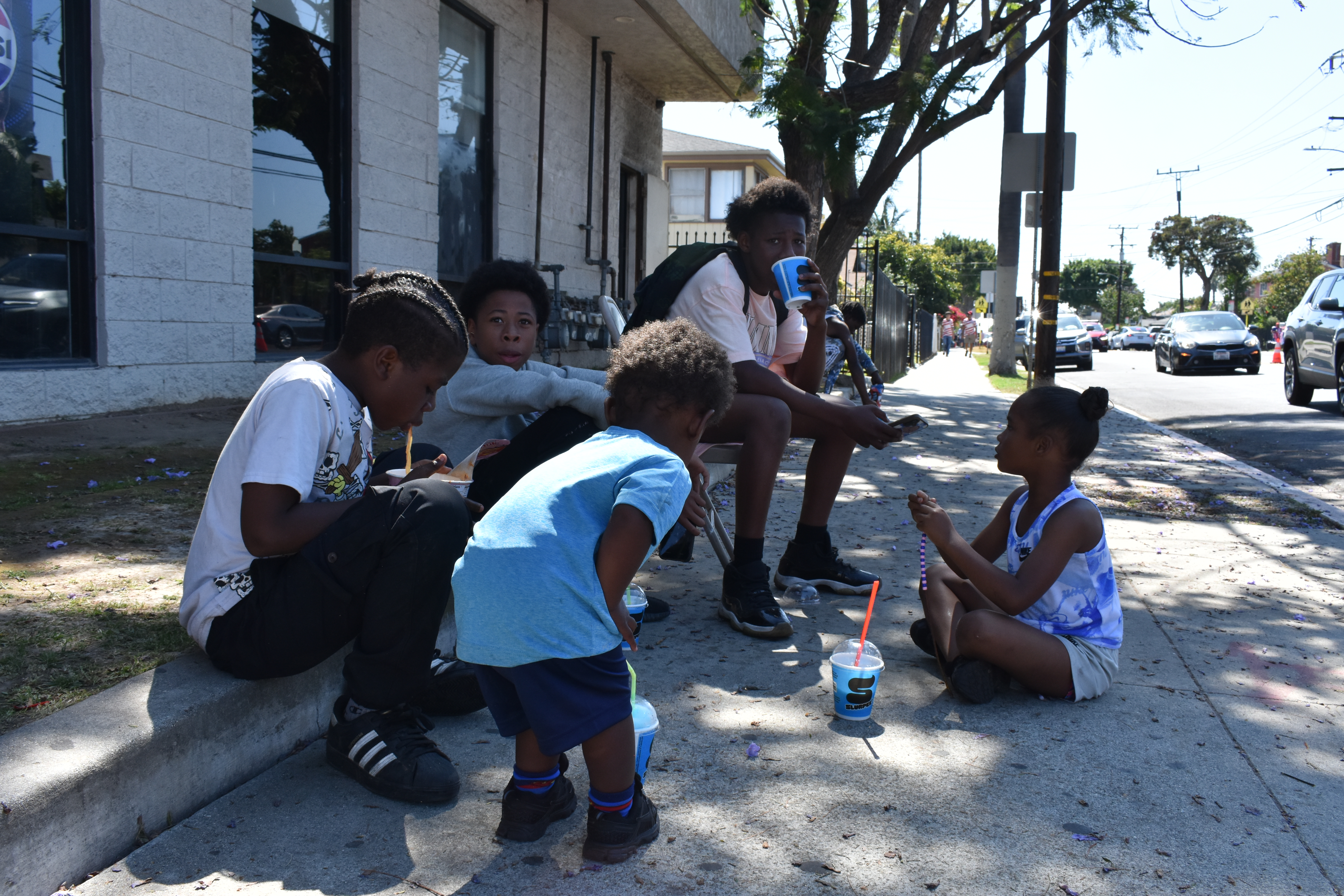
“I don’t want to be sick. I got too many kids to be watching,” Moore said, counting off three of her children and a bevy of nieces and nephews clustered under the shade of some nearby scrawny trees. The kids often accompany her and her sister, and help sell drinks and snacks when she sets up for big events at the stadium.
Her 6-year-old daughter said she has nosebleeds when she gets too hot.

MORE HEAT DAYS
The number of extreme heat days has increased in almost every American city that is hosting games this year compared with 1994, the last time the United States hosted the World Cup, according to data from the National Oceanic and Atmospheric Administration.
Vendors who spoke with HERA during the first two matches said they routinely experience headaches, nausea, sunburn, and irritability when working on hot days. Heat also affects what they can sell—sales of water go up, but other products, such as candy, are out because they melt.
Quesha Gillings, 34, who also works as an in-home caregiver, sells bags and T-shirts at stadium events. She said her income drops when people don’t want to stop in the heat to shop. And she has noticed the temperatures worsening year after year.
“I do get headaches. It’s getting dangerous, standing out in the heat, especially if (people) are older,” Gillings said.
A week before the World Cup matches began, the County of Los Angeles issued specific heat health guidance for the games. The first game day saw a high of 78F (26C) at the stadium, not the worst of L.A. heat experiences. However, the “feels like” temperature, a metric that accounts for direct sunlight and humidity, made the area around the stadium feel more like 82F (28C). Most vendors outside were working in the sun with no access to shade.
By the second full week of games, Los Angeles county was under an official weather service heat advisory with temperatures climbing into the mid 90’s (low 30’s Celsius).
"We all need money to survive and to pay our bills. I feel like I have to risk it”
Angela Reyes, World Cup street vendor
Other U.S. host cities have had to contend with additional risks, such as high humidity. In Houston, predicted highs for the second full week of games reached 94F (34C) with 70% humidity, a deadly combination under prolonged exposure.
Overall, according to a recent report from the nonpartisan research group Climate Central, since the first North American World Cup in 1970, “nearly all of the 2026 World Cup host stadiums now see more extremely hot days during the tournament period” of June and July.
LACK OF LEGAL PROTECTIONS
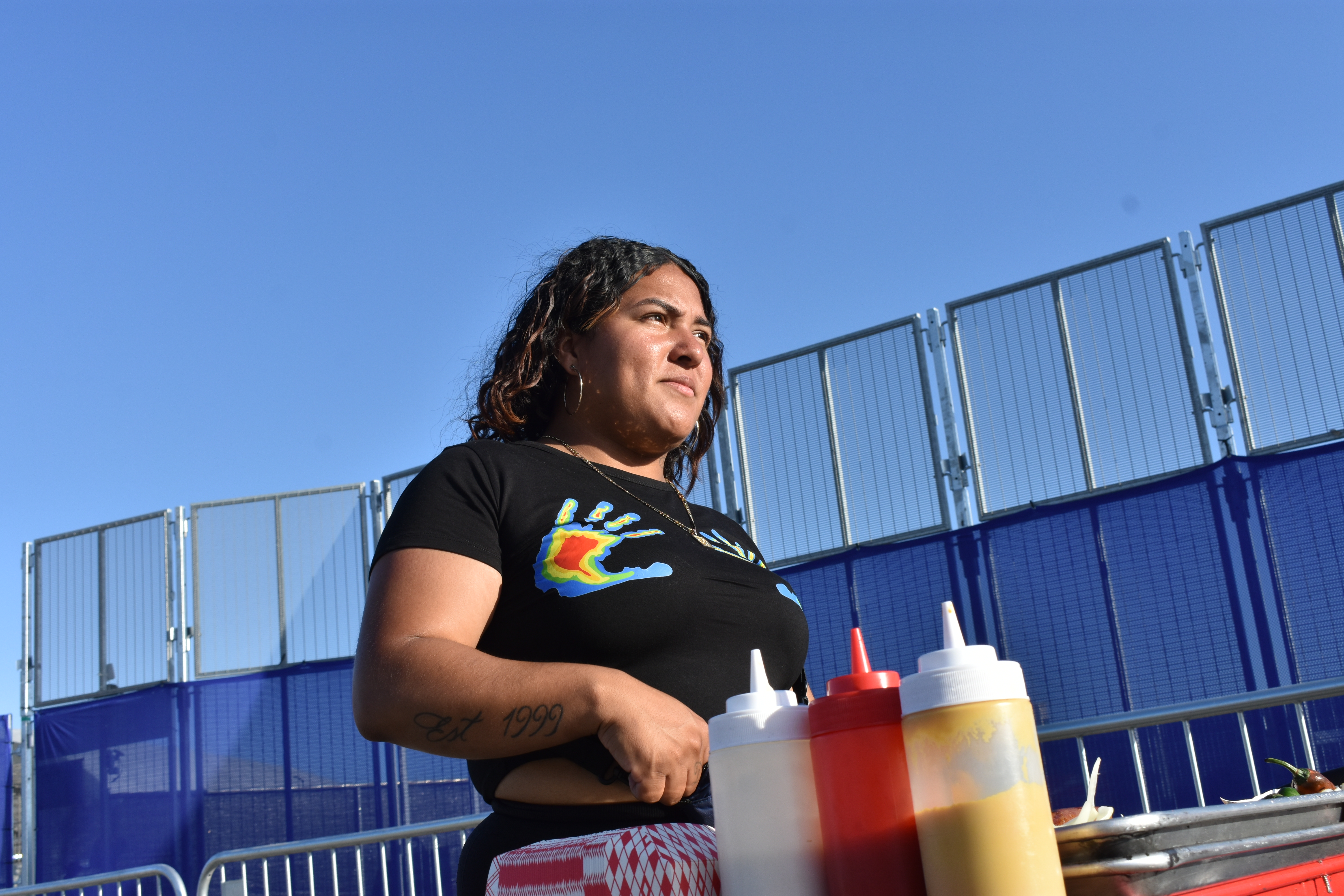
A couple of blocks away from Moore, Angela Reyes was selling hotdogs and cold drinks near the Los Angeles stadium. The 25-year-old has worked as a street vendor full time for seven years, offering cold water and sports drinks for customers at venues across the city.
At events like the World Cup she sometimes works six or seven hours with no shade, running the risk of dehydration and overheating.
“I try to drink water, but if I drink too much I’ll need a bathroom, and there aren’t any,” she told HERA. “We can’t leave our carts to go find one.
With the nearest public restroom a 15-minute walk away, she admitted she drinks less than she should to stay safe in the heat.
California has state laws that protect outdoor workers in agriculture and construction from extreme heat, mandating shade, breaks, and access to water and toilets, but street vendors aren’t covered by the regulations.
Vendors often work informally and individually, and with no regulations to protect them, though non-governmental groups sometimes try to step in.
Community Power Collective, a Los Angeles nonprofit that supports hundreds of street vendors to organize politically and advocate for policy that assist them, has worked to help vendors recognize the signs of heat illness and stroke, understand the importance of shade and hydration, and know the phone numbers of hospitals and emergency services, said Sergio Jimenez, a senior community organizer.



‘I HAVE TO RISK IT’
After hours working in the sun, shade from a building crept over Moore’s lemonade stand outside the stadium, but it was too late to save several packages of plastic lids that had melted in the sun earlier in the day.
For Reyes, there was no respite.
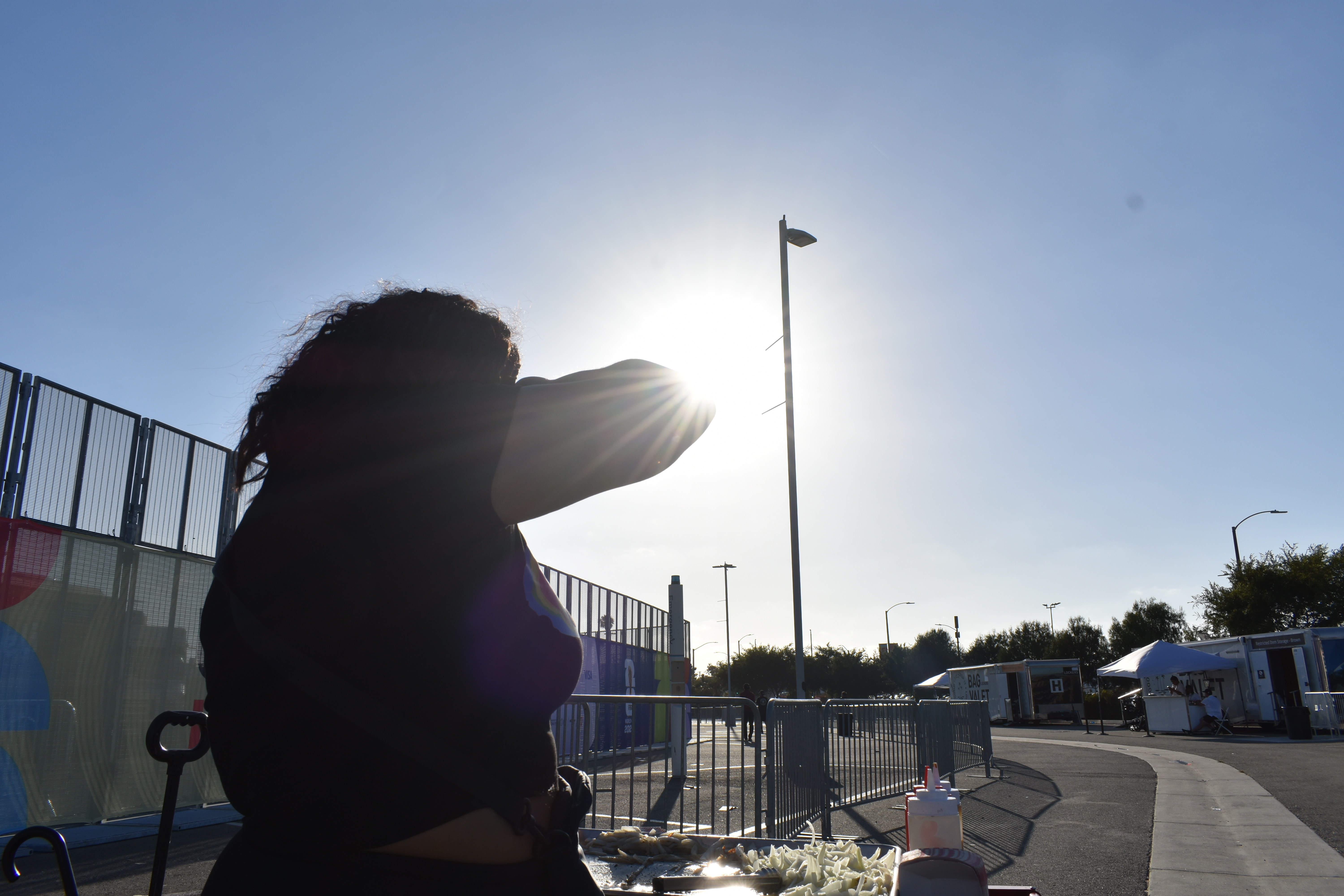
Standing in the sun over a sizzling hotdog cart, she said she knows the heat is dangerous and worries about her health, but with two children to raise – and vending her only work – she doesn’t have a choice.
“I get headaches and sunburn, and I heard the sun can give you cancer in your skin, that it’s really bad,” she said between selling ice-cold water to fans streaming into the covered stadium.
But “we all need money to survive and to pay our bills. I feel like I have to risk it.”