Trapped in extreme heat, Peshawar’s women try mix of cooling innovations
“When men can’t tolerate heat anymore they take off their shirts but we can’t even be allowed to remove the dupatta”
By Mahwish Qayyum
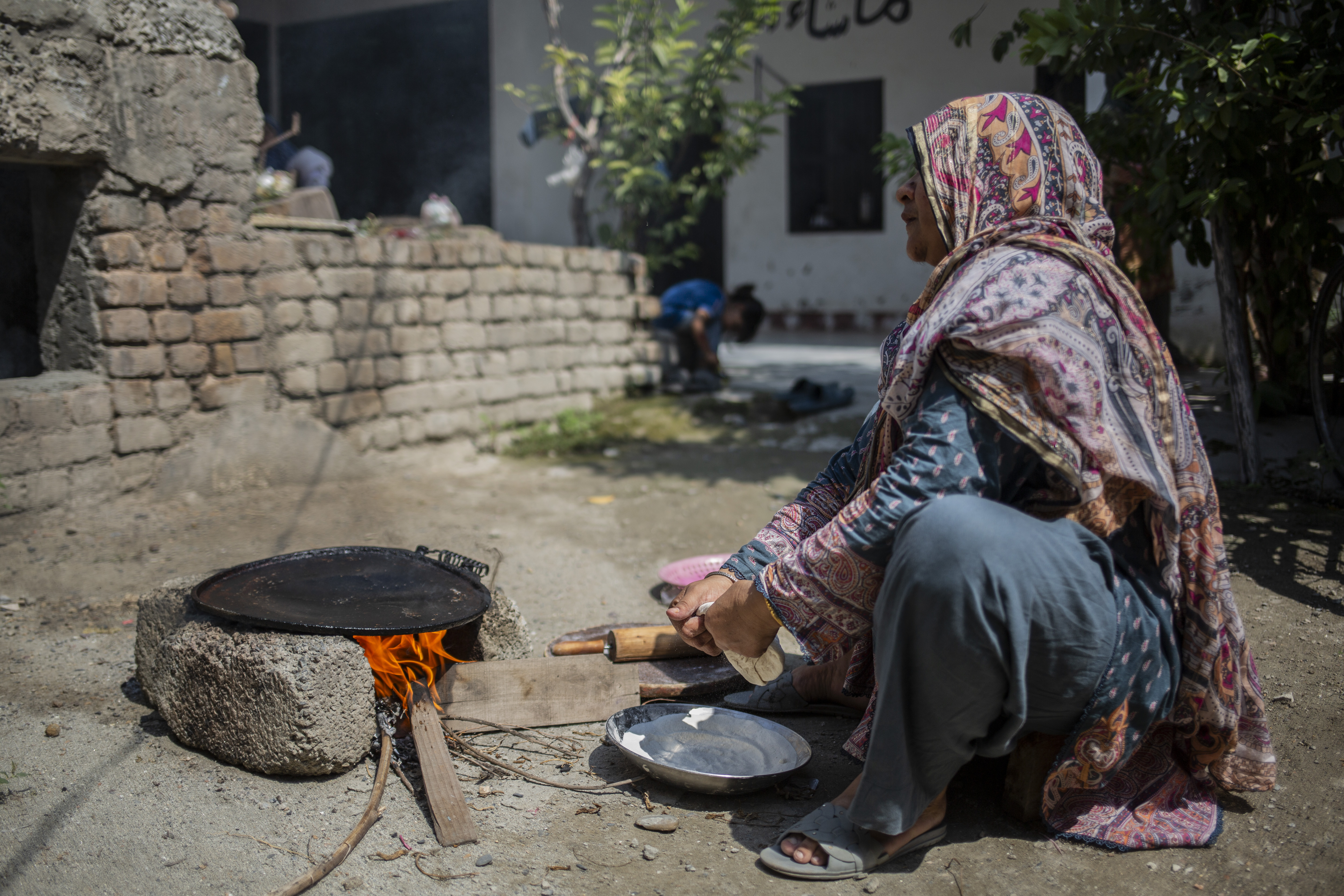
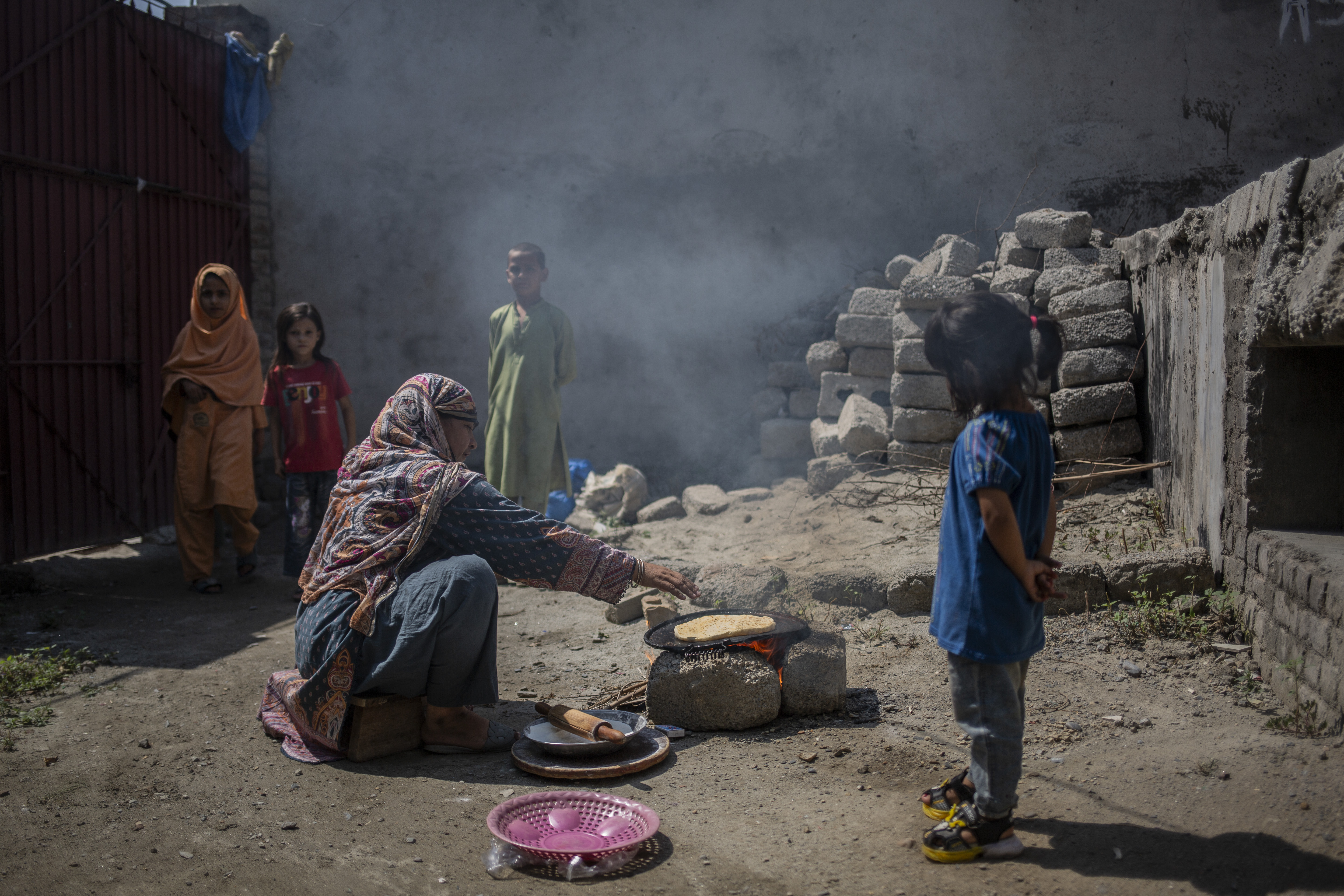
Under a blazing sun, Bibi Hameeda cooks roti on a cement-block wood stove in the courtyard of her home in Peshawar, a city near Pakistan’s border with Afghanistan.
Summer temperatures here often soar above 43 degrees Celsius (109 degrees Fahrenheit) and a sweating Hameeda says she finds herself drained, battling nausea, skin rashes and headaches.
“I feel like my heart is sinking when I work under the sun for a long time,” the 52-year-old said. “You can’t imagine how difficult it is.”
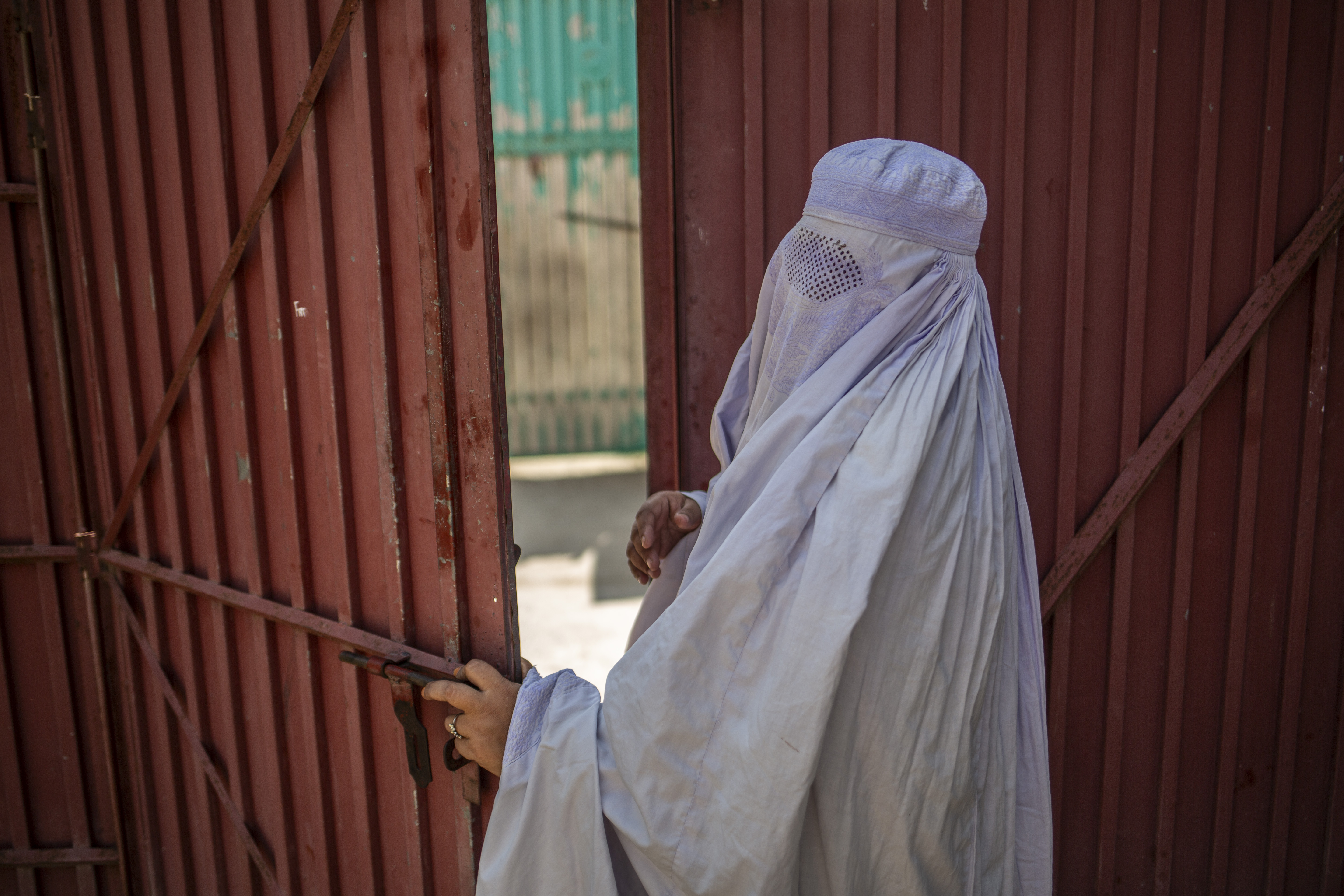
The heat is particularly brutal for women, she said, who in this conservative Pashto-speaking community must wear modest clothing, including a dupatta, a scarf draped across the body over their other clothing.
“When men can’t tolerate heat anymore they take off their shirts but we can’t even be allowed to remove the dupatta,” she said. Women who try are labelled “shameless” or “characterless”.
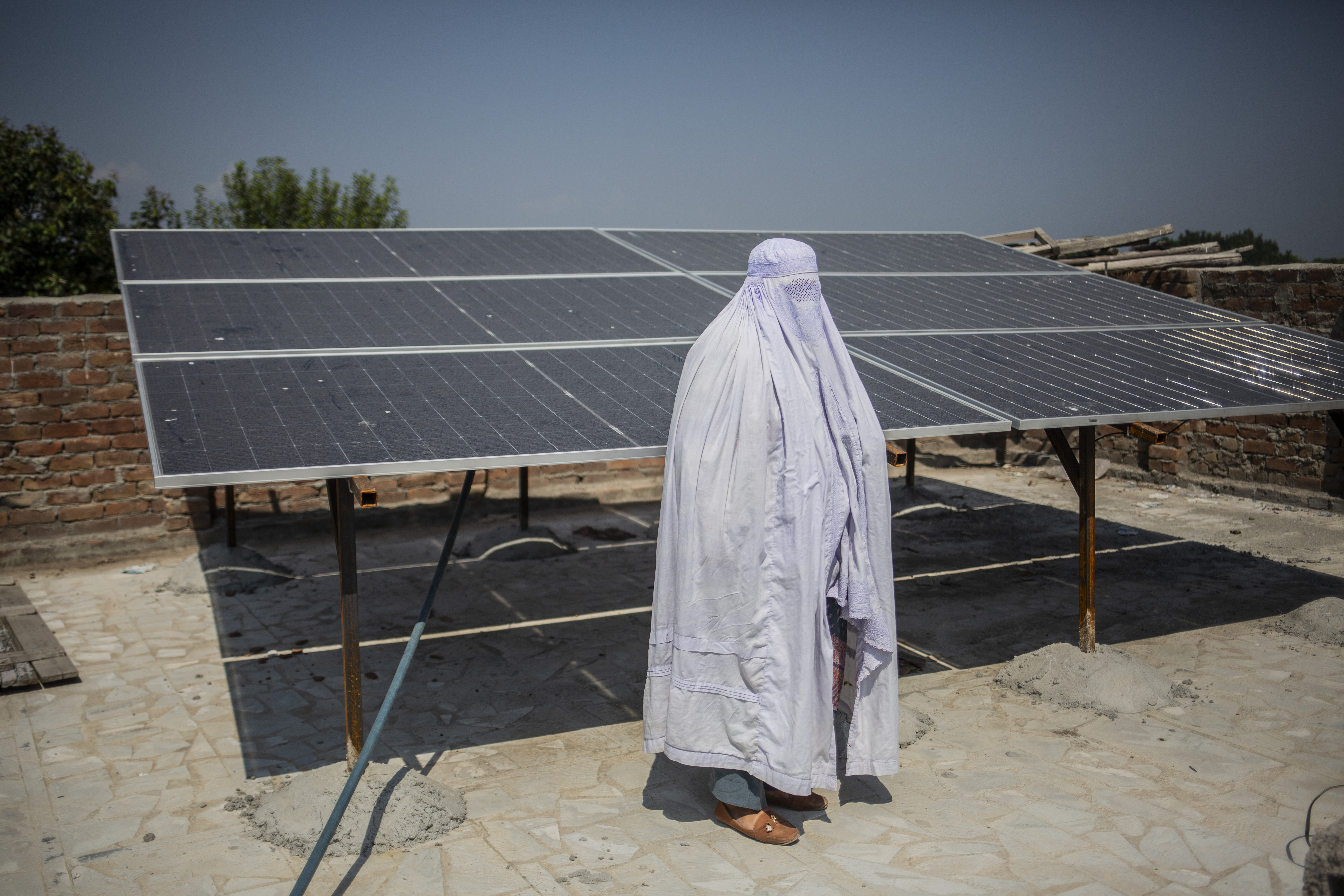
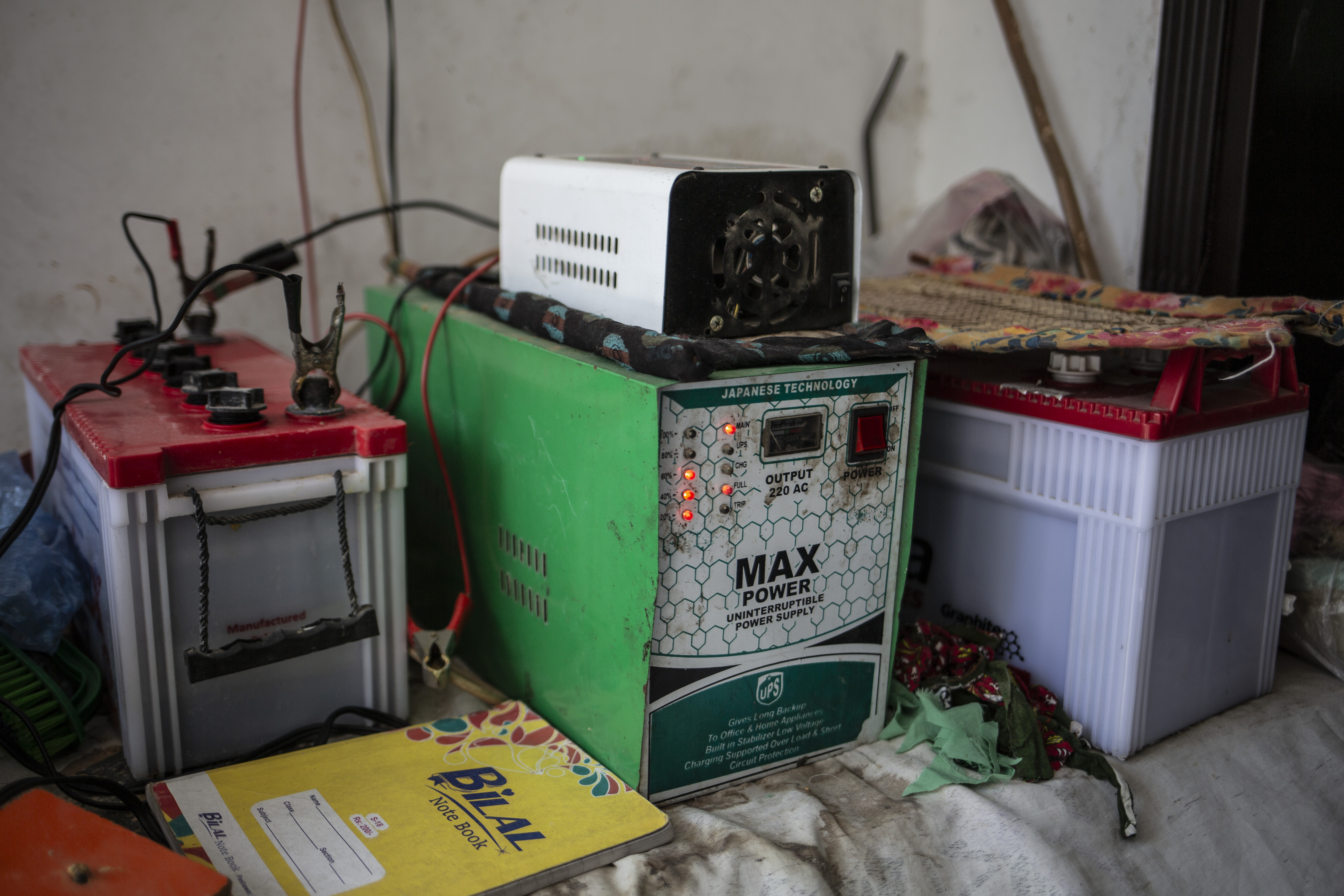
But Hameeda now has some small respite from the brutal heat – a fan powered by solar panels and a battery storage system.
She bought it this year using a Sharia-compliant microfinance loan for 50,000 Pakistani rupees ($180) arranged through Khwendo Kor, a local non-profit that promotes gender equality and women’s empowerment.
After finishing her chores, she can now rest – and sleep at night – in the fan’s breeze, she said, and the panels and batteries help keep her refrigerator running even when the grid power is off.
As climate change drives more extreme summer temperatures in Pakistan and around the world, such cooling adaptations could help curb rising deaths, illness and productivity losses from worsening heat, experts say.
“Thank God, now I have the solar fan,” agreed Hameeda.
But protecting women from growing heat risks in places like Peshawar will likely require a much broader array of changes, from helping them shore up their incomes as heat makes it harder for them to work, to creating women-friendly early warning systems for heat.
Most important, they say, is ensuring women get a strong voice in what heat adaptations are put in place, to ensure they work for everyone and not just men.
WOMEN’S WORK
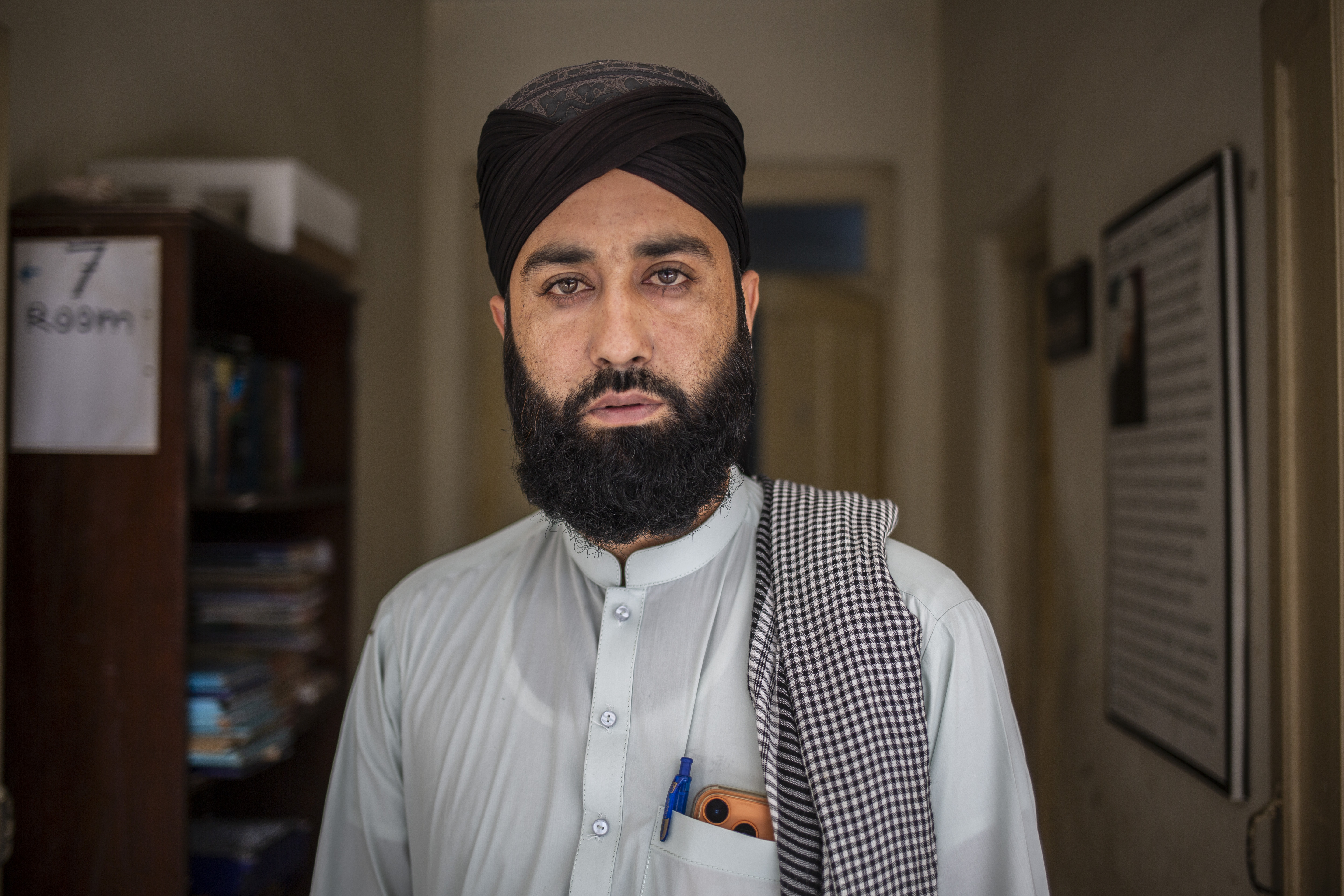
Mufti Shiraz Khan, a religious scholar in the Peshawar area, said women face a particularly difficult time with hot temperatures, with many “culturally restricted to stay indoors in poorly constructed houses without ventilation in extreme heat.”
“Global warming is profoundly affecting women and children,” he noted. “In a patriarchal society like Pakistan, women are treated like third-class citizens, with disparities in access to cooler spaces.”
Extreme heat affects women —who often lack access to sufficient cooling, water and electricity — differently than men.
Women, particularly in rural Pakistan, often cook outdoors in sizzling summer heat, carry out most household tasks in overheated homes, collect water from sometimes distant rivers, and take care of children, the elderly and the sick.
All the work, especially in severe heat, brings added physical and mental strains.
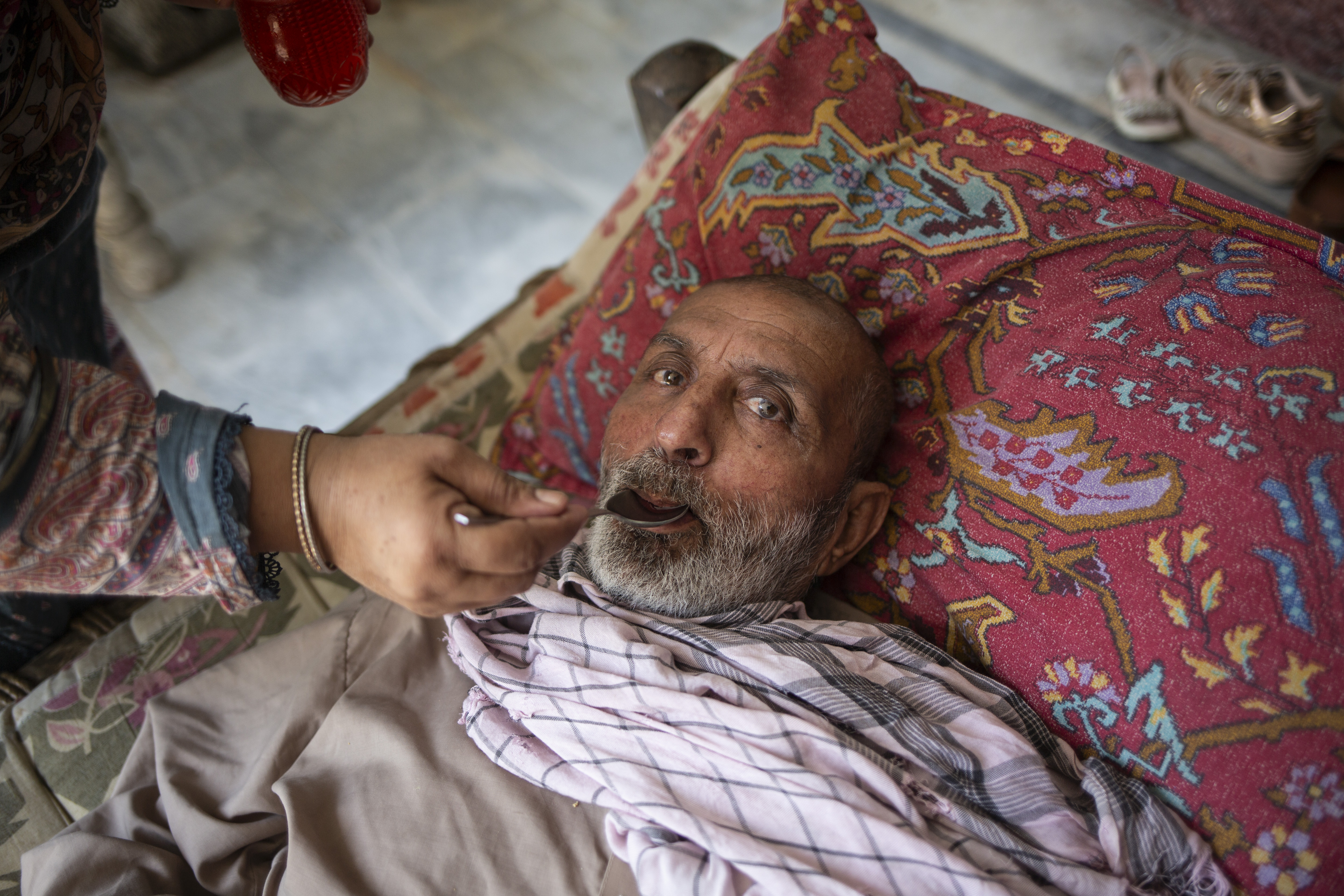
Hameeda, for instance, has since 2016 cared for her bed-ridden husband, who is paralyzed.
Last year he had to be rushed to a local hospital, saddling the family with a bill for over $100 – twice her daughter’s monthly salary as a teacher, which is the family’s only income.
“I feel like my heart is sinking when I work under the sun for a long time. You can’t imagine how difficult it is”
Bibi Hameeda, Peshawar resident
MENSTRUAL RELIEF
Women in Peshawar say they face another particular challenge in the heat: their menstrual cycle have become much more difficult to manage.
Hina Yousaf, 36, said she battled repeated urinary tract infections while using a piece of cloth to catch her menstrual flow when she was unable to afford sanitary pads.
Dealing with her periods in the heat leaves her feeling exhausted, in pain and deeply uncomfortable, she said, with sleep challenging.
“Heavy bleeding makes me feel dizzy and tired throughout the day,” she said.
But through a Khwendo Kor training program, Yousaf has learned to make reusable sanitary pads for herself. She hopes to use her skills to sell the pads to others as well.
The small income she and other women could earn with the sales could help them pay bills and build a limited cash buffer against climate shocks, Khwendo Kor leaders hope.
“I am also giving training to the women of my family on menstrual products, focusing on menstrual hygiene,” Yousaf said.
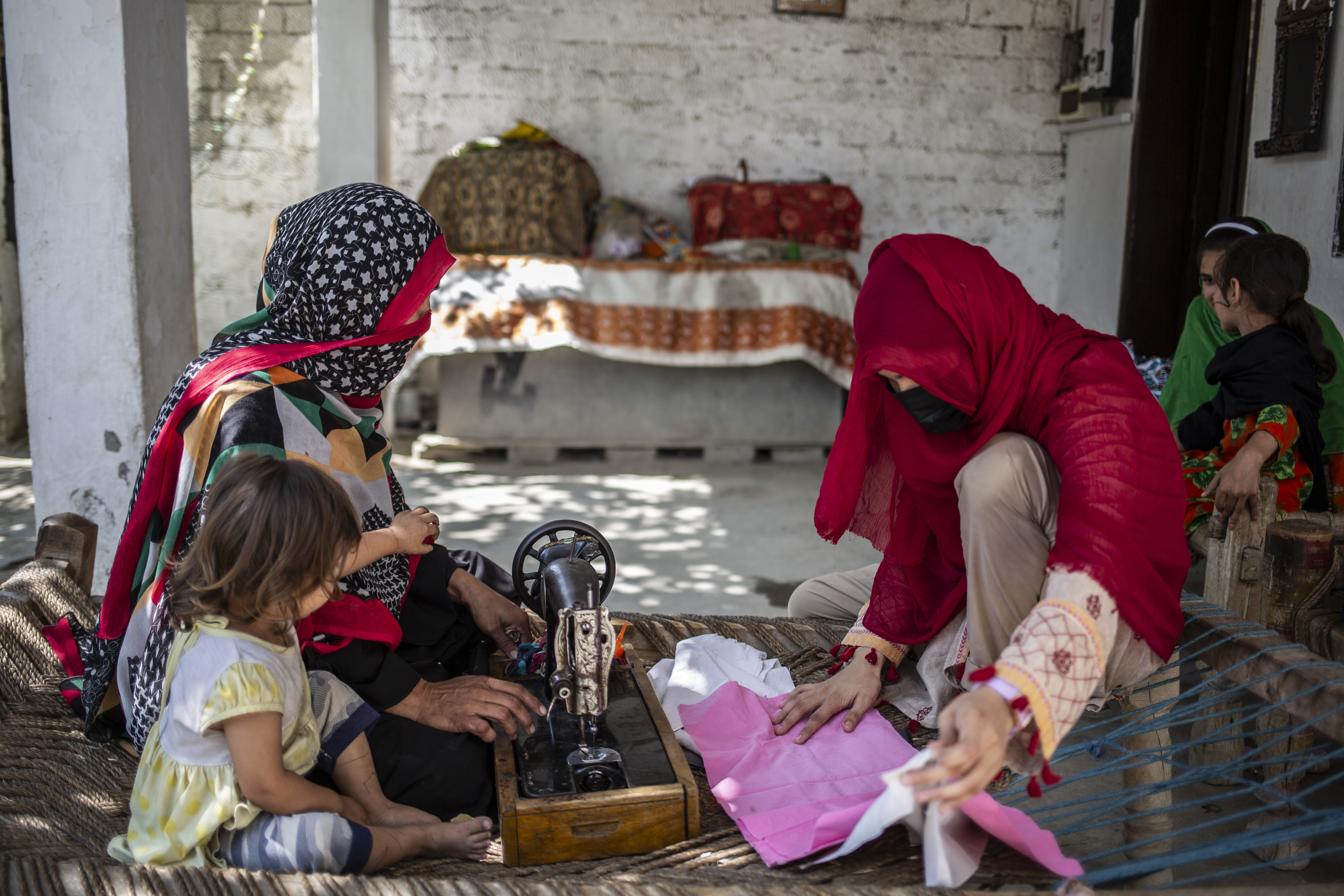
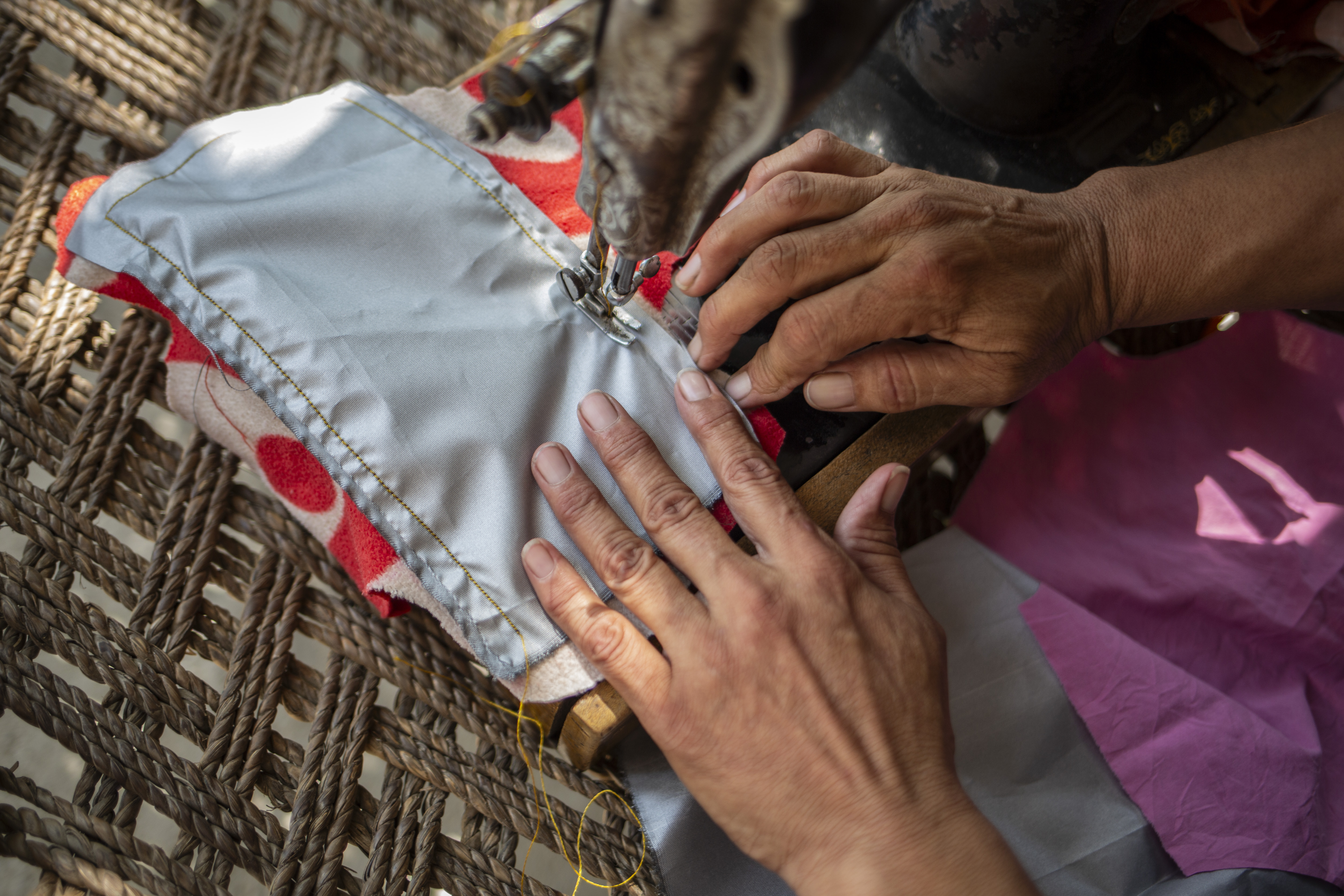
Nuzhat Amin, the district manager for Khwendo Kor, said her organization has trained 23 women so far to produce sanitary pads, and over the last year arranged solar systems for an initial 10 women-led families in and around Peshawar.
The work was carried out with the support of HERA, a global women-led NGO focused on helping women build resilience to extreme heat, and focused on what Peshawar’s women said they needed most.
The women who bought solar panels, batteries and fans have also been trained to maintain the systems, Amin said, giving them extra earning potential as more families in the region acquire solar panels in the face of lingering electricity shortages in Pakistan.
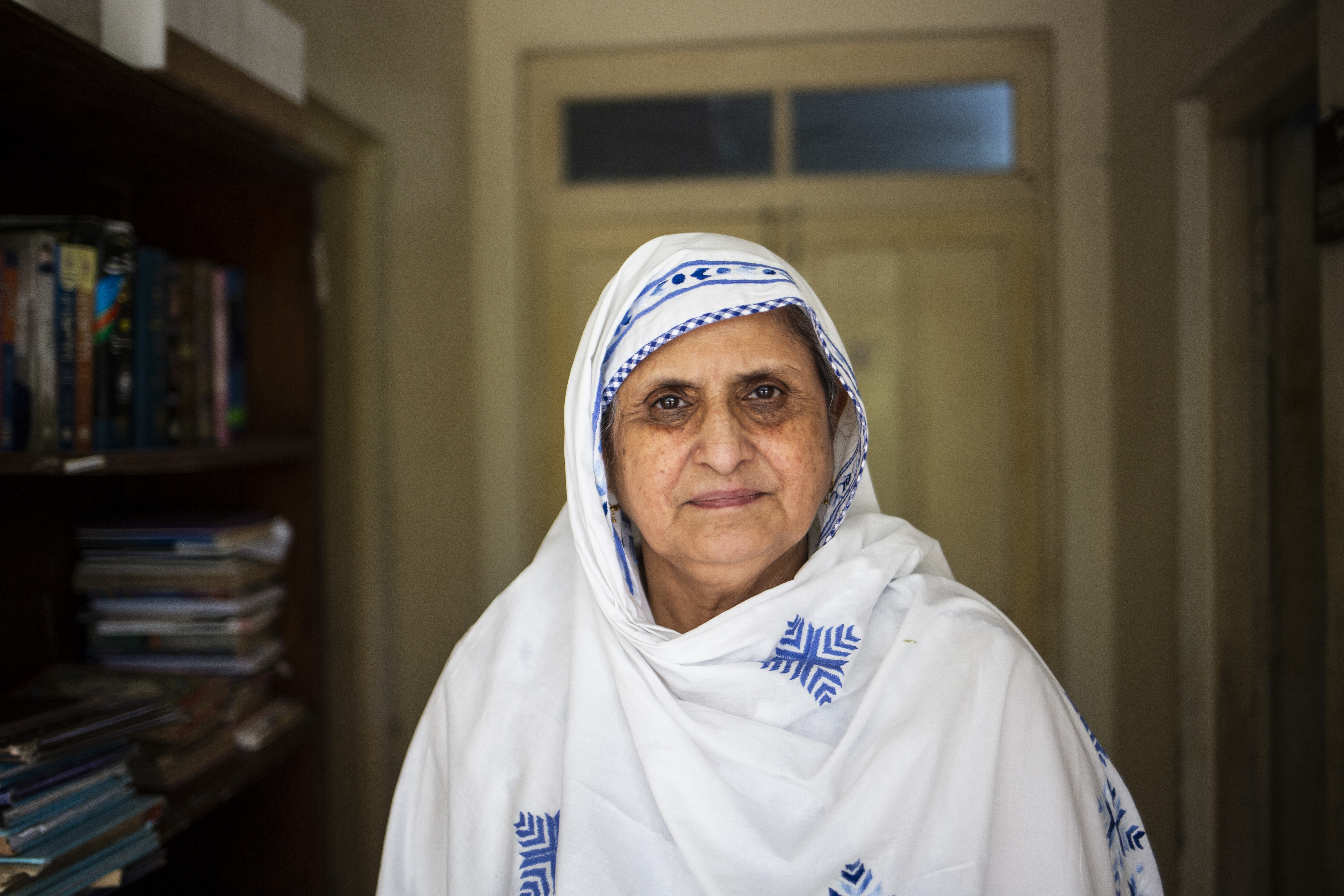
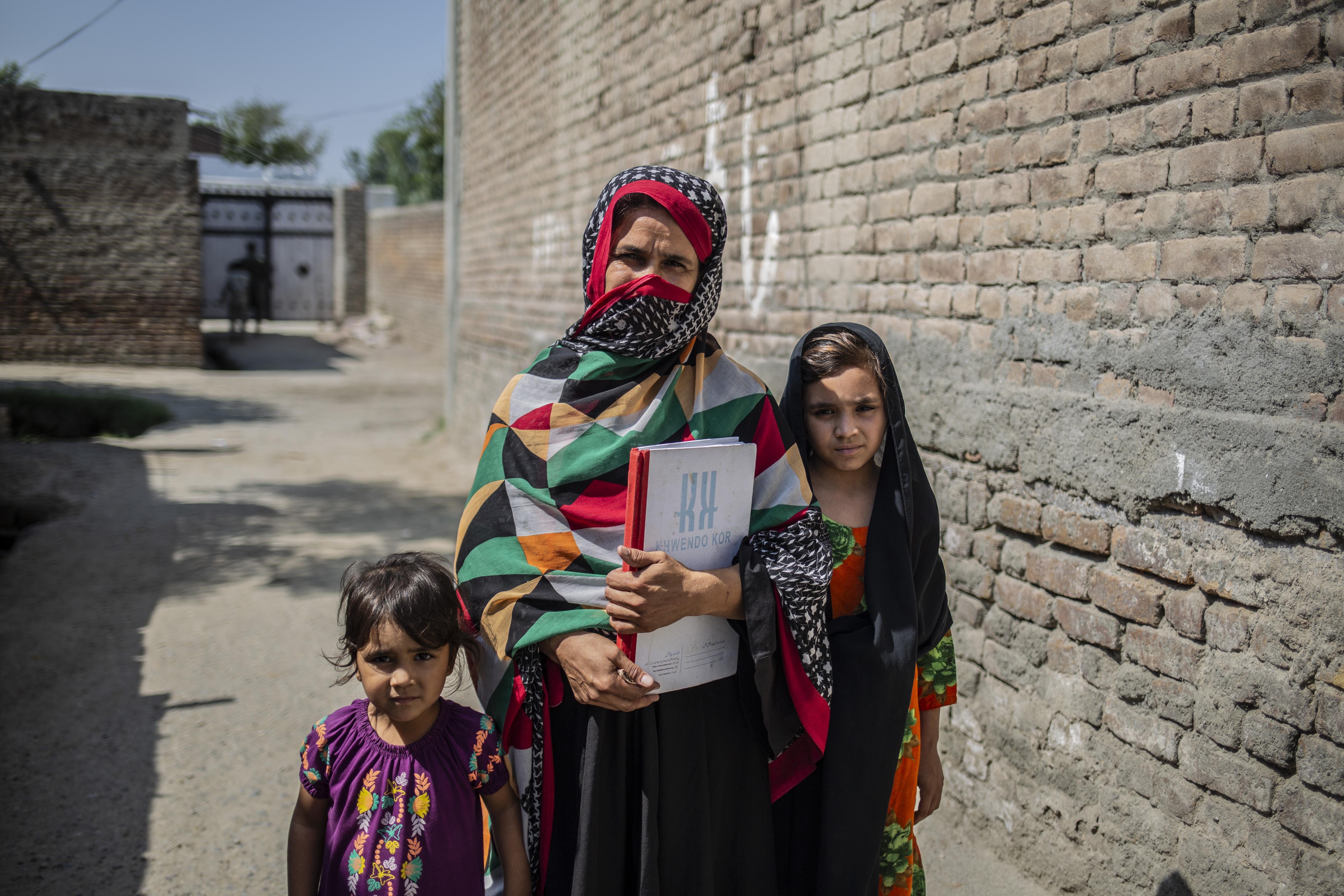
But perhaps the most important work Khwendo Kor has done, its leaders said, is helping women win a larger voice in the community, both by training young women community leaders and by launching separate men’s and women’s advisory groups to ensure women’s views are counted in decision making alongside men’s.
“Heat is insidious as it not only undermines people’s health, productivity and livelihoods but it also degrades the environment, making marginalized communities more vulnerable to climate shocks,” Amin said.
“Our organization is working on climate-resilience and justice, empowering marginalized communities to adapt.”
HEAT A ‘REGULAR REALITY’
Increasingly deadly heat is now a “regular reality” in Pakistan, according to a 2026 study by World Weather Attribution, a group of scientists who study how climate change influences the likelihood and strength of extreme weather.
Pakistan has invested in creating Heat Action Plans (HAPs) to try to lower the risks, but many plans lack clear guidelines on how to put them into use, the scientists noted.
For now, worsening heat remains a misery for many women in communities like Peshawar.
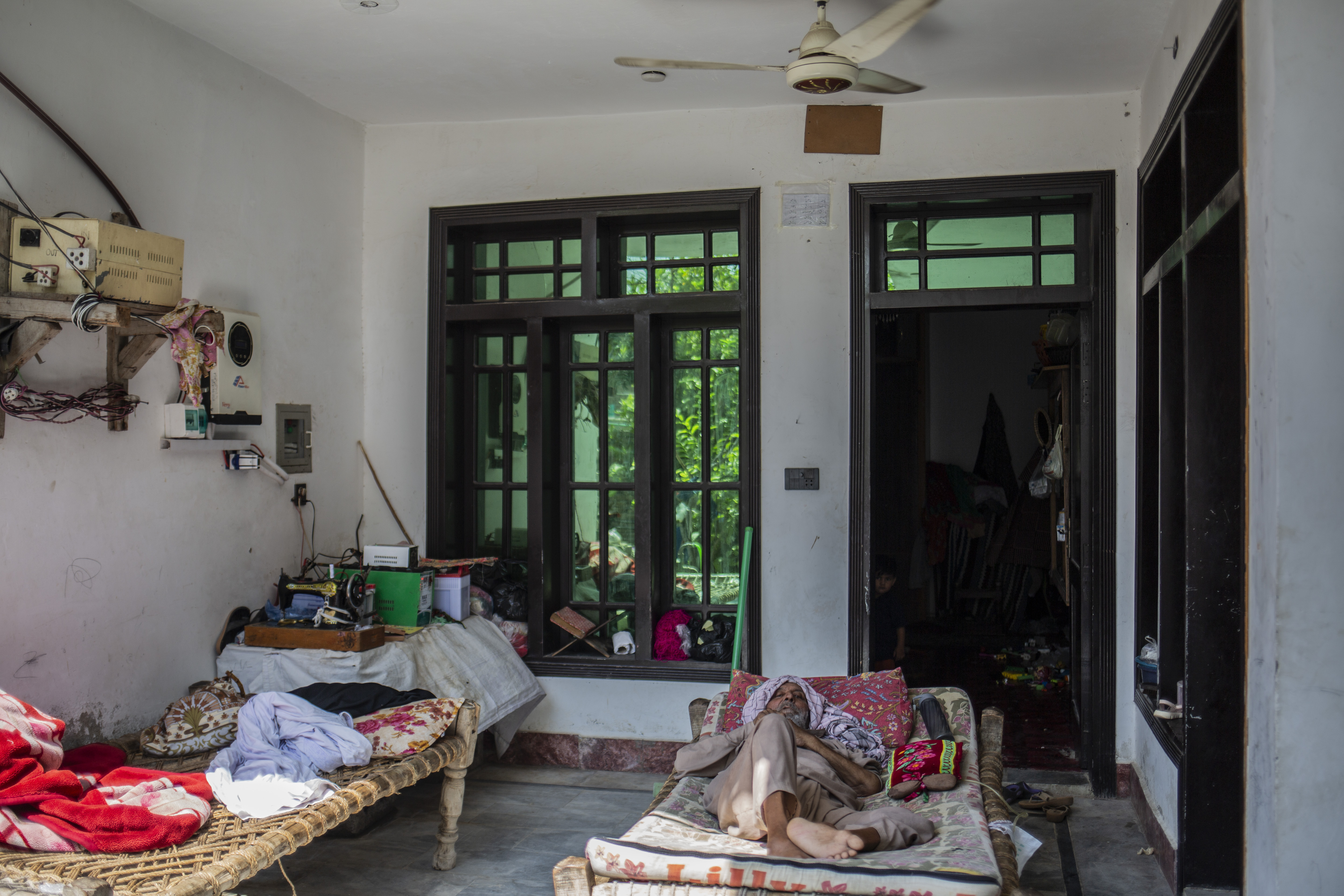
Musarat Bibi, for instance, said electricity to her home often fails and water is scarce.
When temperatures soar, she has had little recourse to fight the heat beyond pouring a little water on the veranda of her two-room home and dabbing homemade mustard-oil salve on the itchy heat rashes she and her children suffer.
The relentless heat has left her stressed and afraid – and prone to lashing out when her patience wears thin, she admits.
“I have high blood pressure and the searing heat with little electricity and water causes depression and anxiety in me,” the 40-year-old said.
“I often enter into arguments with my husband on petty issues and beat my children,” she said.
Earlier this year, however, she bought a solar system and fan, with Khwendo Kor tailoring Sharia-compliant installment payments to her husband’s $2-a-day earnings as a laborer.
“Now the house does not feel like a heat chamber” anymore, she said.
“My children sit under the fan and their rashes don’t worsen further – instead they heal with my home remedy in less time.”