With diaries and maps, women inject their experience into heat plans

“We wouldn’t have spoken about periods if I didn't keep this diary ”
By Aradhna Wal
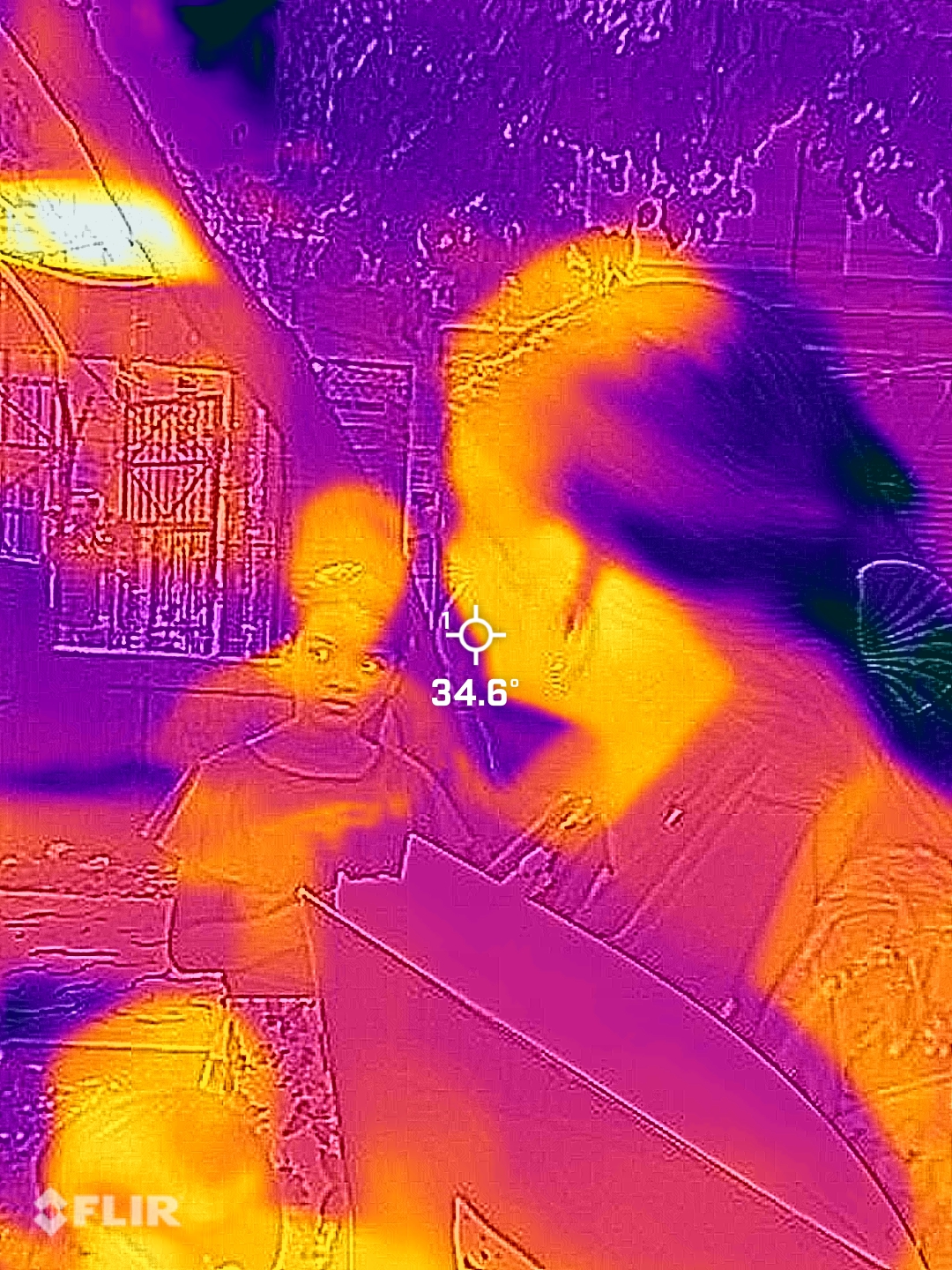
During the second-hottest May ever recorded globally, a troop of young women from northeast New Delhi set out armed with a thermal camera, paper maps and a thermal messaging app on their phones.
They aimed to create something still rare: A community-built map of their working-class neighborhood’s heat hotspots and cool zones, to better understand how heat affects women like themselves and their families.
The project – in Sundar Nagri, one of New Delhi’s largest informal settlements – is part of a nascent but growing trend across Indian cities to transform working-class women from study subjects to active participants in figuring out what might work to ease heat threats, as temperatures in India and globally hit new records.
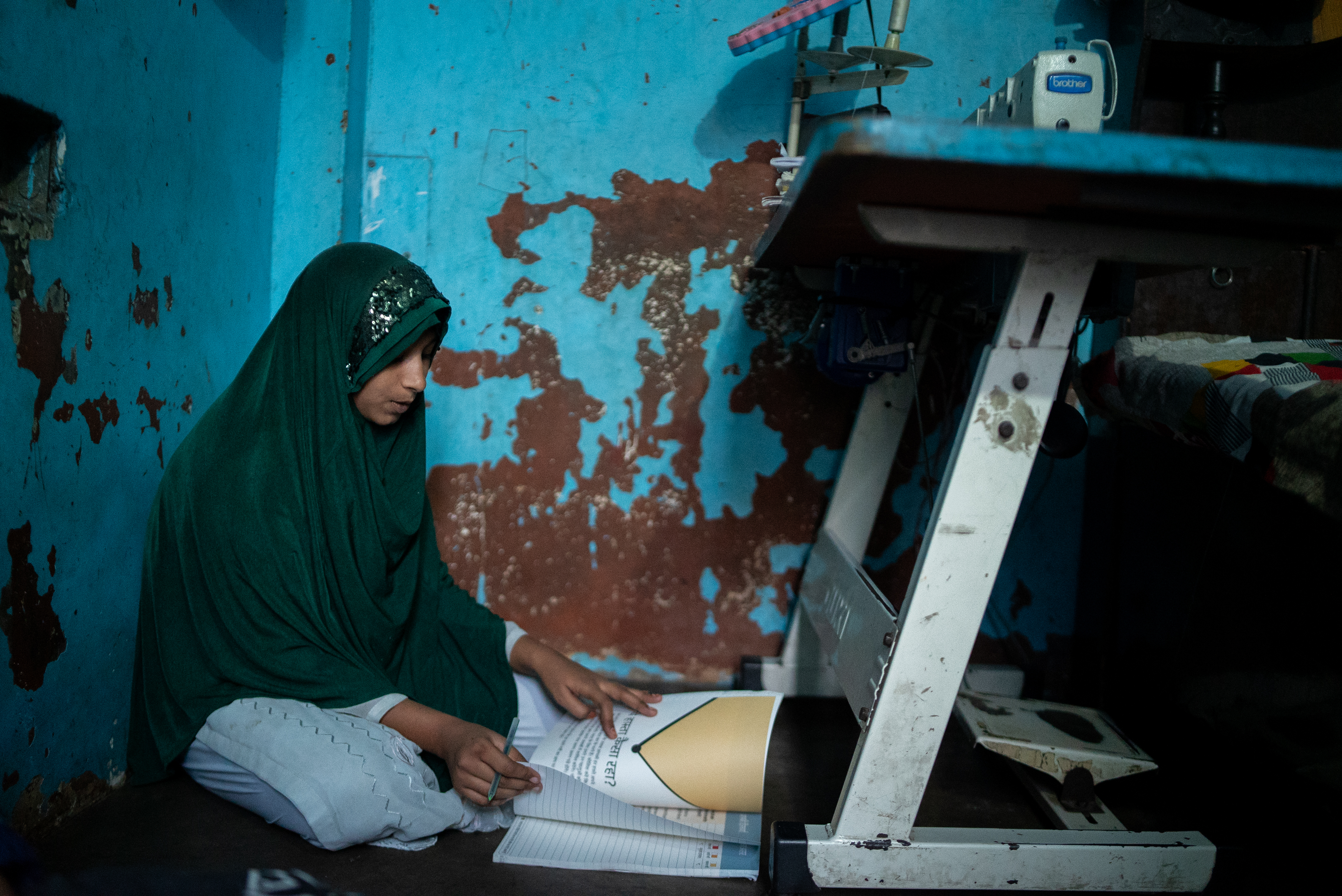
“I never thought about heat or pollution earlier,” said Nasreen, 15, who has kept a “heat diary” of her day-to-day experience of living with heat extremes this summer, and who participated in the mapping exercise organised by Greenpeace India, an environmental advocacy group.
In the sweltering fifth-floor room she shares with her parents and six siblings, she pointed to a heat rash that her 4-year-old sister Hameeda was suffering.
The family has just one bed, a small stove, a fan and a heavy-duty sewing machine, which her father uses to make a living with her older sister’s help.
With the stove on regularly to cook meals and the noisy sewing machine operating late into the night, the fan makes little impact on the oppressive heat the family faces.
Their lives illustrate the disparities in how severely people are impacted by extreme heat depending on their age, gender, health, income, job, homes and caste or class.
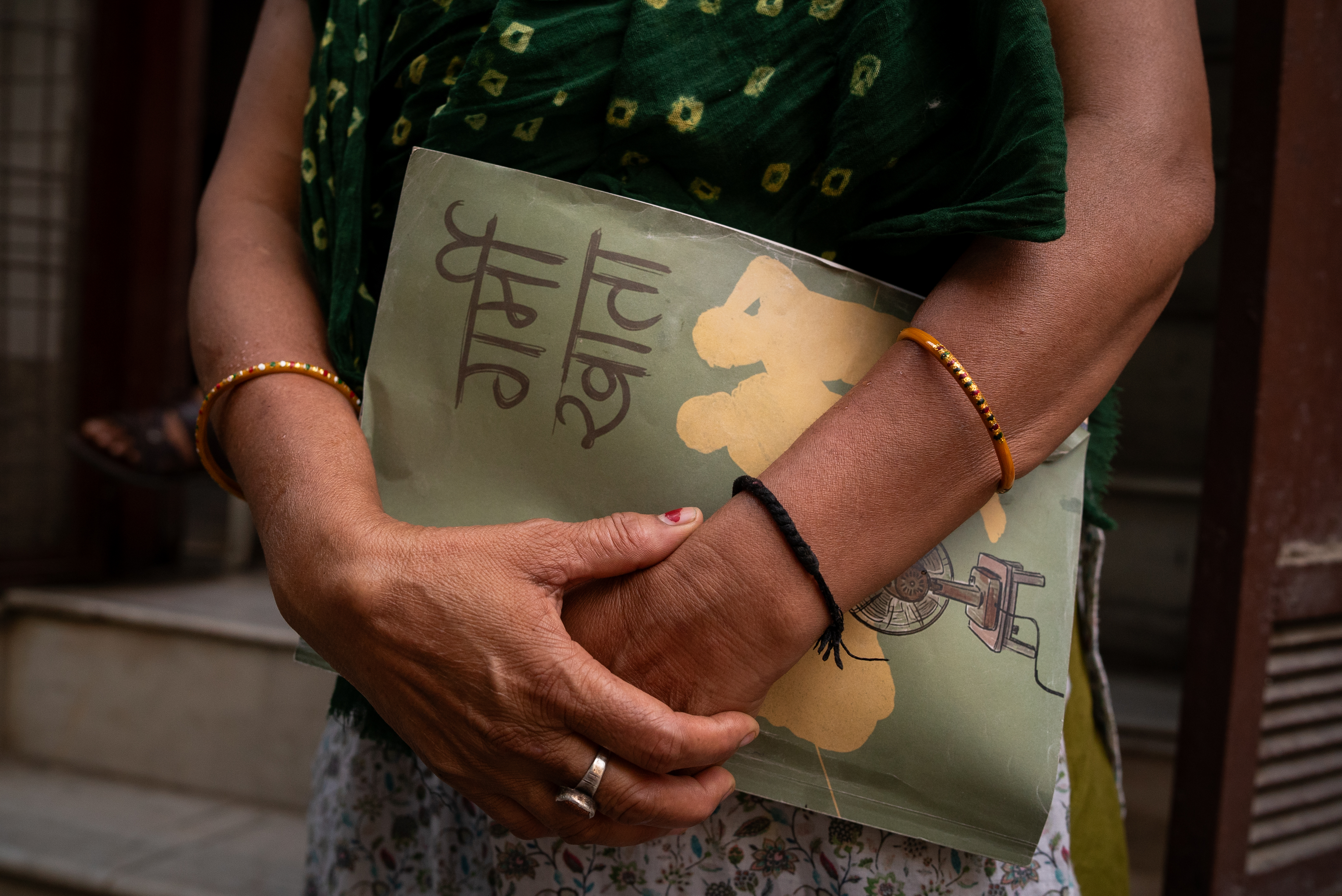
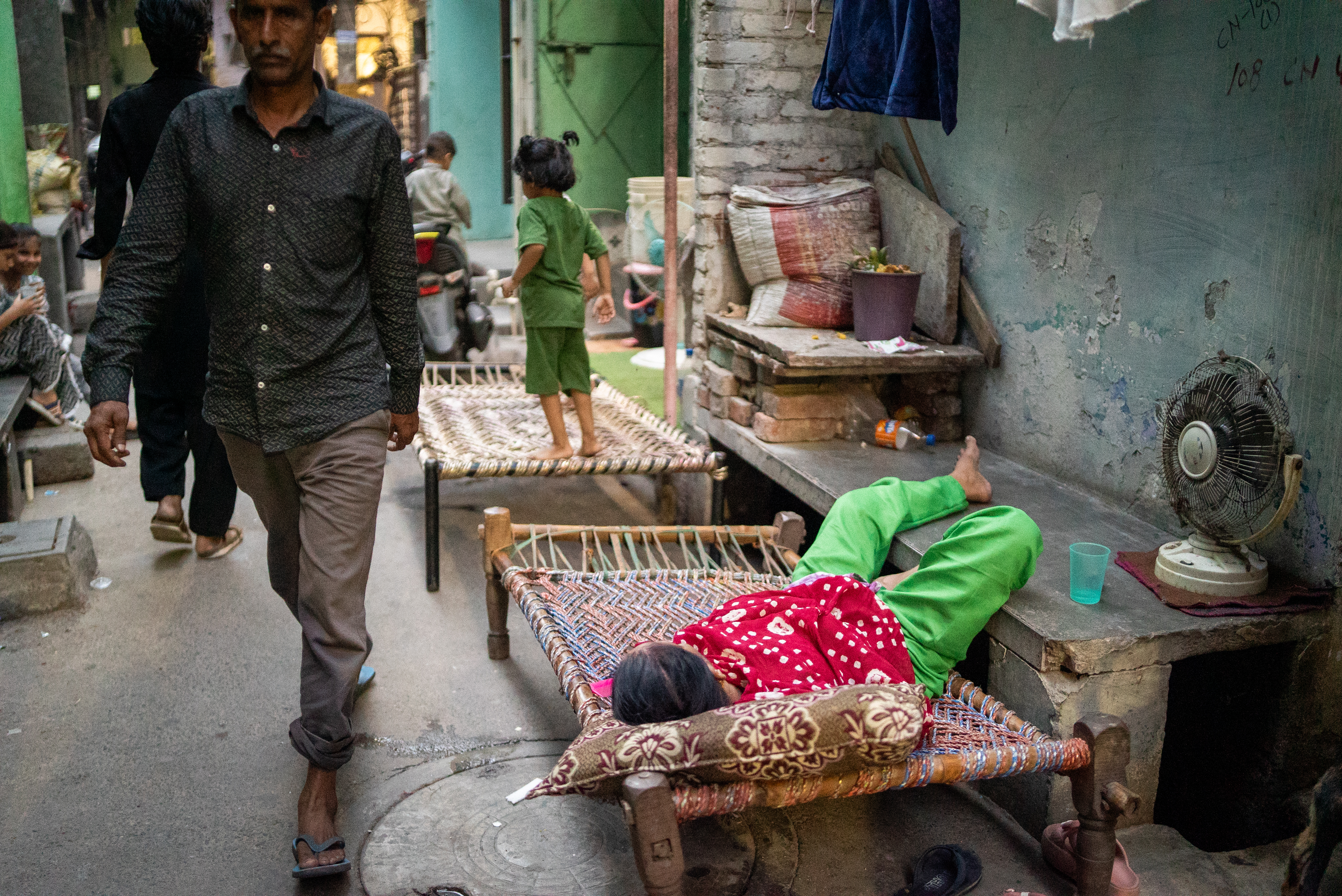
Women, especially in informal settlements, often spend long hours each day cooking in hot conditions, fetching water and caring for children or elderly family members, which can lengthen their hours of heat exposure.
Heat warnings that urge people to stay at home can be effective for those whose homes remain cooler than outdoor temperatures – but families living in tin-roofed shelters with poor ventilation may find temperatures inside much hotter than those outside.
“Women face constant and varied heat exposure,” said Siraz Hirani, director of programs at the development non-profit Mahila Housing Trust (MHT). “Outdoor workers have no access to safe public toilets, and contract UTIs (urinary tract infections) as they avoid drinking water. Women working indoors are in homes 4-5 C hotter than the outdoors. Their homes absorb heat and release it at night.”
IMPROVING HEAT PLANS
With summer temperatures rising to dangerous levels, hundreds of Indian cities and districts have created heat action plans to better plan and prepare for the threat. However, many don’t yet adequately consider how some of the most vulnerable residents experience heat, Hirani said.
Having women who are at the frontlines of heat extremes gather data can help change that, he said.
“For heat justice, the process is as important as the outcome,” Hirani said. “Do we only study women or include them as co-creators in designing and implementing interventions?”
He recounted how women in informal settlements MHT works with in the city of Jodphur, in India’s Rajasthan state, told the organization that heat was now a bigger issue for them than their long-standing concerns about access to water.
Their views featured prominently in a new heat action plan for the city. Among other ideas, the women suggested that planned cooling stations for women street vendors should ensure they don’t lose sight of their carts and wares outside, and should include a dedicated area for women breastfeeding children.
DOCUMENTING HEAT
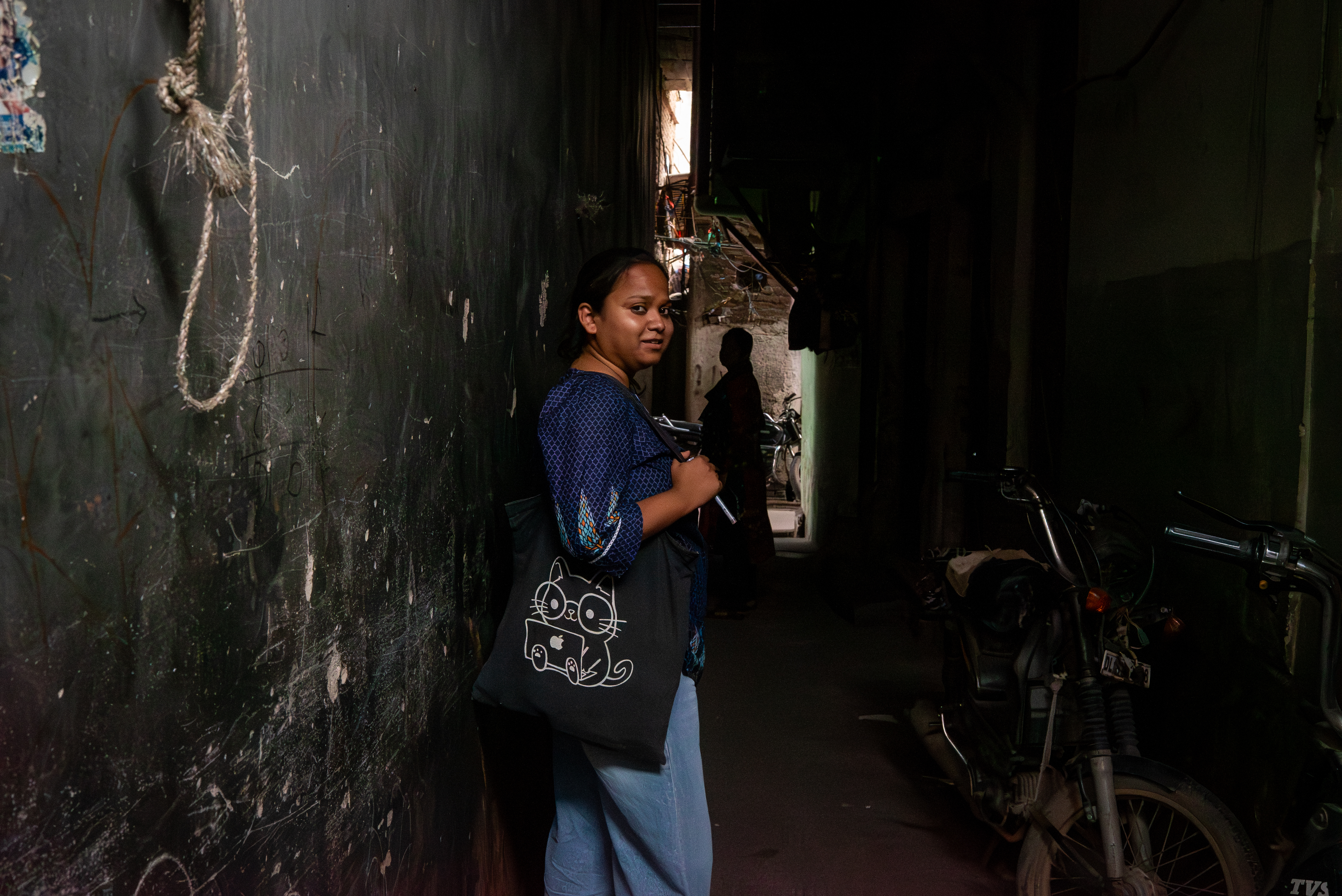
“Use all of your senses and think where you felt hot and why,” Deepali Tonk, 28, a Sundar Nagri resident and climate activist with Greenpeace India, urged the young women mappers there as they worked in temperatures just dipping below 40 degrees Celsius (104 Fahrenheit).
As part of the effort, the women sketched onto a white cloth the details of their experiences with heat and humidity in the narrow lanes, as well as counting the number of trees and points where drinking water was needed.
Arshi, 19, a university student in political science, said keeping a heat diary has helped her understand “why my father doesn’t want to return to his shop after his lunch break.”
“I know why my brother fights with me. His insulin medication makes him sweat so much he can’t stand the heat and is always irritable,” she added.
Her father and eldest brother work as tailors, making jackets and ladies’ dresses, while her mother works at home. The family of five live in one room on the ground floor with a tin roof and two fans. During the day, their room doubles as a store selling snacks.
She, her older sister and her mother have all noticed how the worsening heat seems to be affecting their menstrual cycle.
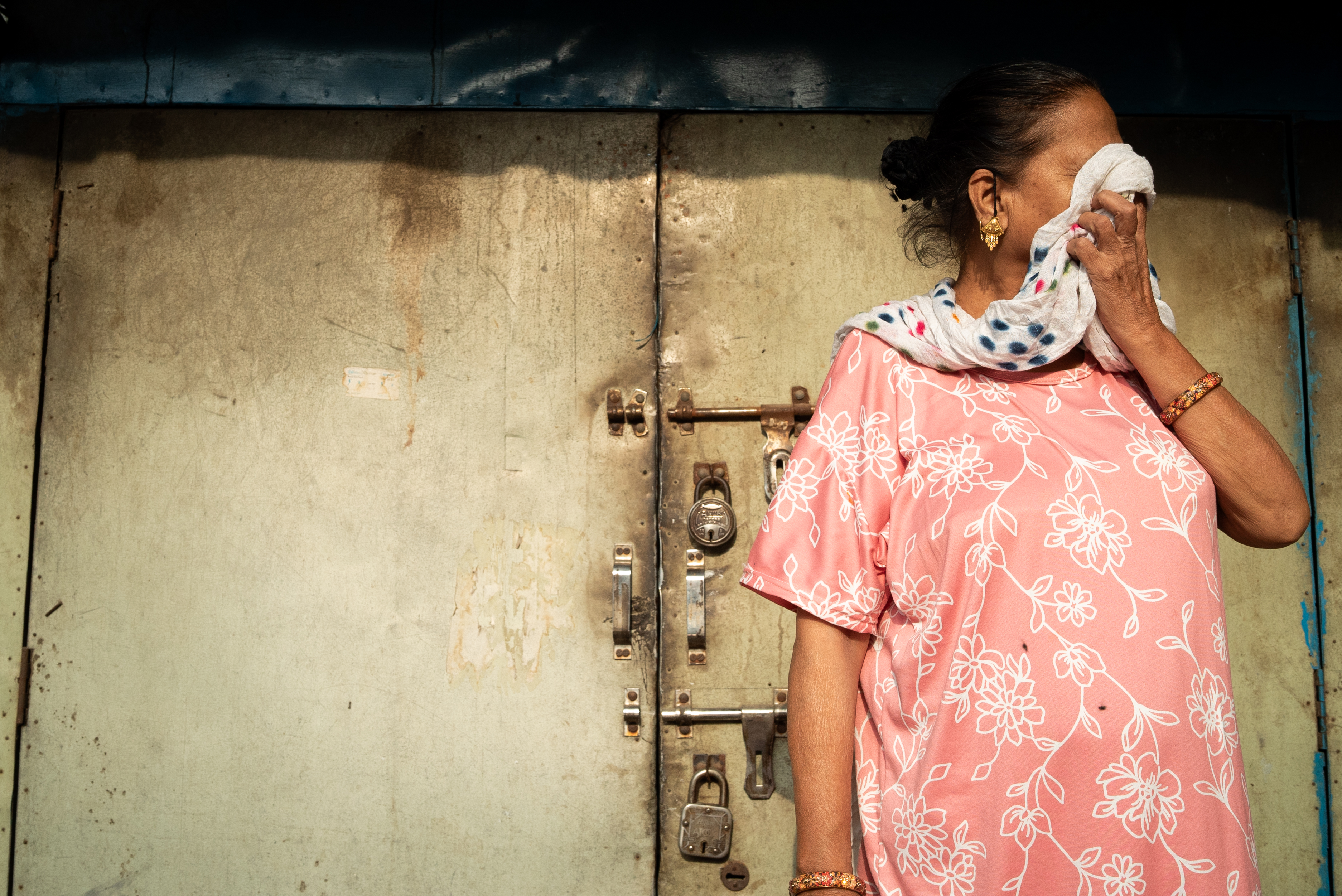
“My mother told me how her periods started too early because of the heat and scared her. My eldest sister, who has two children, is missing hers. Mine are extra painful. None of us suffered this before this year,” Arshi said. “We wouldn’t have spoken about periods if I didn’t keep this diary.”
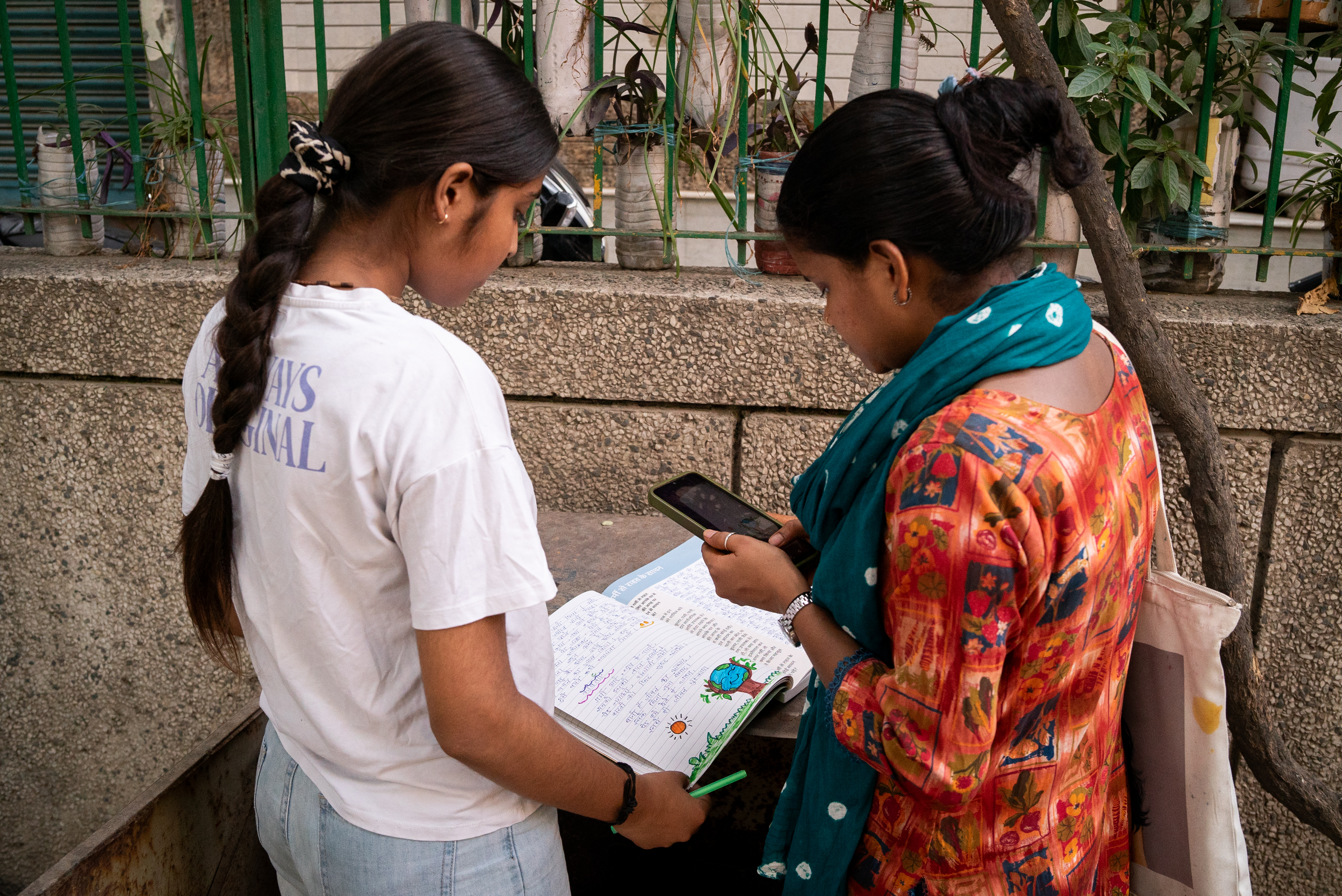

Pooja, 25, a computer teacher in Sundar Nagri, said she had also seen more extreme heat affect her monthly cycle.
“The most important thing I have written about is how heat has affected my periods, delaying them and causing me to lose weight,” she said.
The women keeping heat diaries also noted a wide range of other heat-related problems, including increased fighting at home, poor sleep, falling income due to inability to work or a lack of work and growing spending on cooling and water.
Many said they needed to escape their stifling homes in hot weather but had few places to go.
WOMEN’S INPUT
Women’s understanding of the nuances of heat exposure is increasingly making a difference in plans to combat heat threats.
During 2003 consultations in Jodphur, women told city officials that early warning notices of heatwave in newspapers and via Whatsapp weren’t reaching women like them.
“They said many of them couldn’t read and had no access to phones, which were owned by men in the family,” Hirani said.
Based on their suggestions, heat warnings are now spread in added ways, including in catchy public messaging played on small loudspeakers on passing waste pickup carts.
Do we only study women or include them as co-creators in designing and implementing interventions?
Siraz Hirani, Manila Housing Trust
In 2025, women also played a key part in on-the-ground testing of cool roofs in Jodphur’s informal settlements. During a University of Cambridge and MHT study of the efficacy of the roofs, women recorded their skin temperature multiple times a day. Researchers discovered the relief from indoor heat was less than expected.
Ronita Bardhan, a professor of sustainable built environment and health at Cambridge, who led the study, shared her findings and video footage with the participants, as ammunition for them to call for better heat protections.
“Data gives women a powerful negotiating variable,” Bardan said. “They can communicate the magnitude of their problem to local authorities.”
In other studies in India, working class women have used wearable trackers to record indoor and outdoor heat, building evidence of its negative impacts on things like pregnancy and menstrual health, Bardhan and Hirani said.
But Bardhan said many gaps remain, including the need for a better understanding of how social and cultural realities add to women’s heat stress, and how heat in communities differs from that in laboratory heat assessments.
PUSHBACK
In Sundar Nagri, a self-formed women’s park committee hopes to turn a small community park – dubbed Happy Garden – into an outdoor green space for neighborhood women.
“Women get no relief,” said Tonk, of Greenpeace. “Whether they work at home or outdoors, they spend hours cooking for the family. Men occupy all public spaces and shaded spots. That is why we’re trying to turn one park here into a safe space for women to escape heat.”


The project, however, has stalled as the women wait for local authorities to supply water to a local pump, to be used to irrigate new plantings.
“We must plant banyan, neem and peepul trees,” said Asha Rani, 47, a committee member and diary keeper. “They provide the most shade and consume less water.”
Women also can face backlash from men unaccustomed to women in their communities being vocal.
As the women in Sundar Nagri spread their cloth to work on their heat map in the proposed site of Happy Garden, a group of young men told them to leave and work at home, as the intrusion curtailed their space to play cricket.
“Men should also keep these diaries,” Pooja noted. “Then they’ll know what women go through. Because they get to be outside, they don’t think of home as a priority, or how women work in this heat.”
