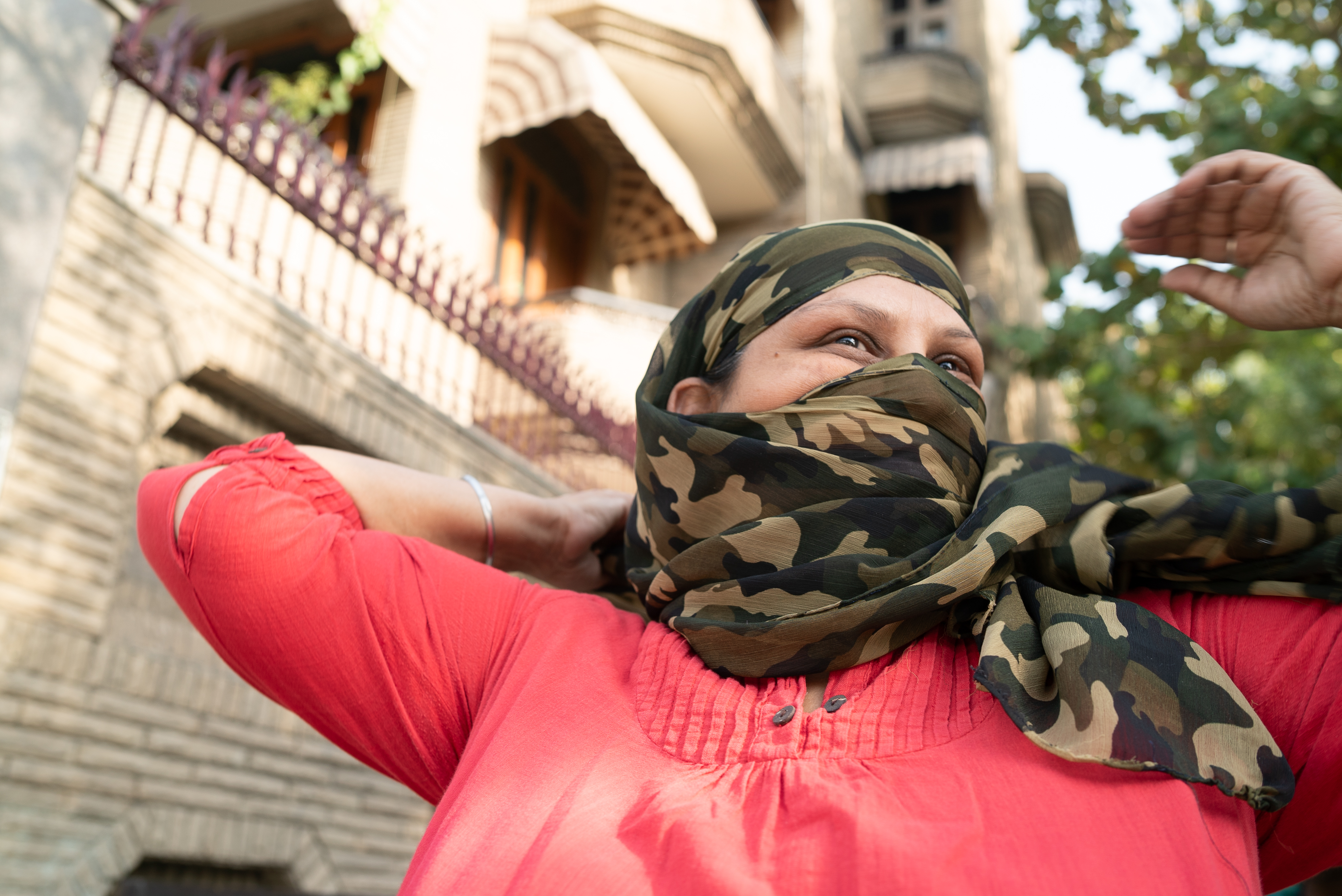
Unrelenting exposure to extreme heat at work and at home is driving long-term illness, lower incomes and worsening poverty among India’s hundreds of millions of informal workers, and already costing the country’s economy nearly 2 percent of GDP each year, researchers say.
For workers whose “body is the main productive asset” – in jobs from construction to garment manufacturing – long-term kidney damage from dehydration is swiftly growing, with more than 18 percent of workers surveyed already showing symptoms of a problem that is likely affecting more than 26 million informal workers in the country, a study from the International Institute for Environment and Development found.
That damage could lead to long-term income losses for workers and for the country as those affected become unable to work and need to seek expensive dialysis treatment to survive, researchers warned.
“This is a medical emergency,” noted Ritu Bharadwaj, director of climate resilience, finance and loss and damage for the London-based research institute, noting that combined losses from chronic kidney disease and wages lost to heat already are estimated at $59 billion a year in the 13 Indian states with the highest levels of informal worker exposure to heat.
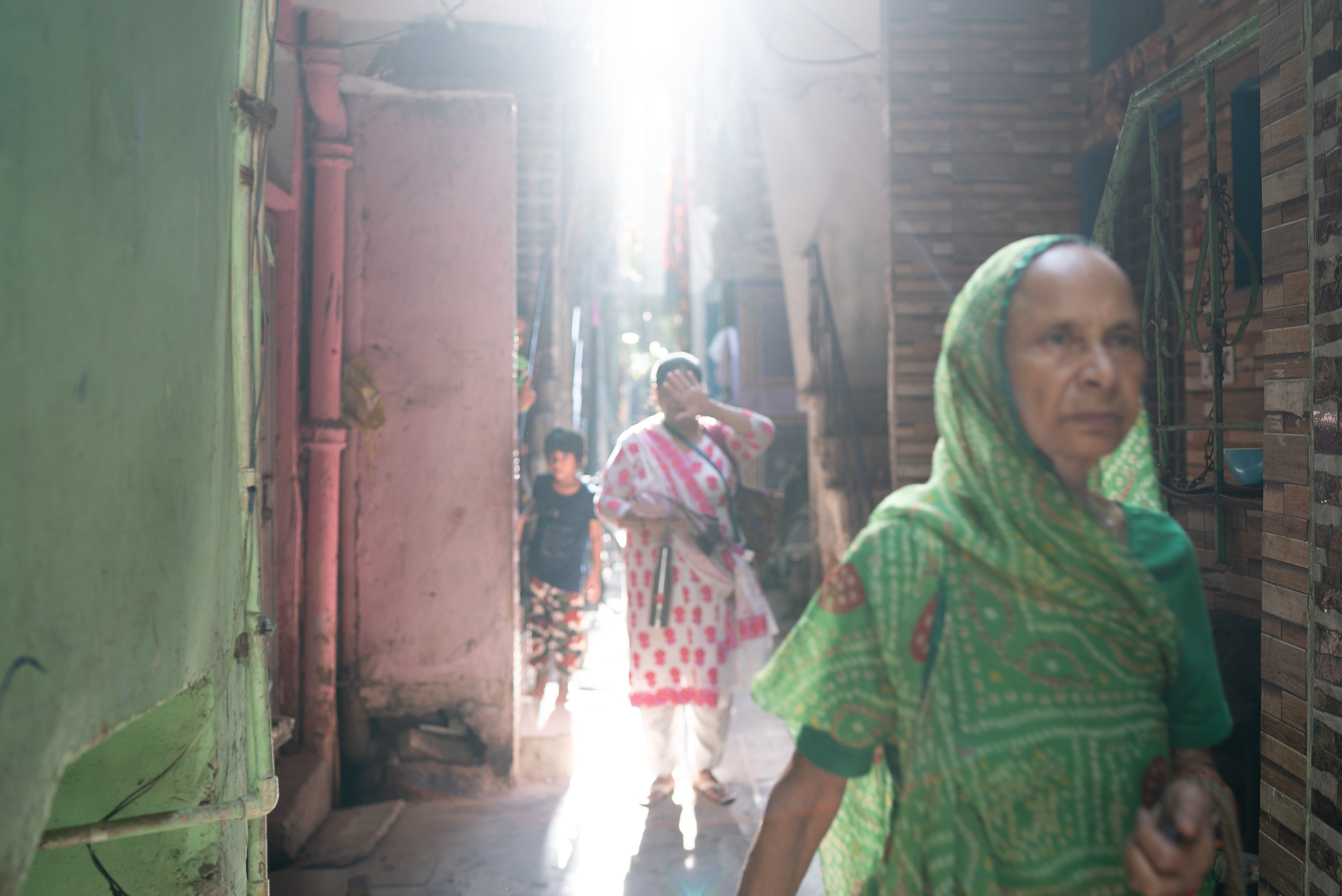
The study, carried out with local grassroots organisations in Delhi, in Uttar Pradesh’s Agra, and in Ajmer in Rajasthan, included interviews with 538 informal workers households, many of them migrant families who tend to take on less-desirable and more heat-exposed work. Of those interviewed, 180 were indoor labourers in occupations such as food packaging and garment making.
Indoor work is often overlooked in heat assessments, and while indoor workers don’t face direct sunlight, they do often work “in enclosed and poorly ventilated spaces where machinery, kilns and lack of airflow can push temperatures as high as those outside,” the report noted.
Indoor workers also labour over slightly longer hours, with the average more than nine a day, Bharadwaj said during an online event.
“Indoor workers are slightly better off than outdoor workers – but they’re not great,” she said.
LIMITED PROTECTIONS
Heat protections for informal workers in India – and many other countries – remain very limited, researchers said.
Workers interviewed described covering their heads with a cloth during the heat, taking water to work and trying to work or rest in the shade where possible.
But nearly half of outdoor workers and nearly 40 percent of indoor workers said they never get a chance to rest in the shade during work, “and most cannot shift their hours to cooler parts of the day due to work demands,” the report noted.

Women construction workers in Delhi reported that heat on the was job so severe that by afternoon they felt “weak and dizzy” and sometimes couldn’t remain standing. Some said they sleep only three or four hours a night during peak summer heat, with their children suffering from heat-related illnesses.
In Agra, women construction workers said they were not allowed to sit down to rest, while garment workers in Delhi said they received reprimands if they worked slower during very hot periods. Several workers surveyed – who were hospitalised after suffering heatstroke – felt they were treated as expendable.
Anita, an informal construction worker in Delhi, said that with no other option she brings her youngest child to work with her, leaving them sitting nearby as she balances 15 to 25 kilograms (30-55 pounds) of bricks on her head and climbs up to five stories worth of ladders in temperatures that regularly pass 45 degrees Celsius (113 degrees Fahrenheit).
She is paid less than men for similar work and regularly has no access to toilets, drinking water or shade, she said. She often feels weak and dizzy when temperatures are highest, she said, but she has no option to stay home.
“If you don’t come in you don’t earn. It’s that simple,” she told the researchers.
ROUND-THE-CLOCK HEAT
Informal workers’ homes – many with low tin roofs that trap heat – extend their exposure to heat, the study found.
Nearly a third of homes surveyed didn’t have even a fan, and about two-thirds said they didn’t have access to enough water.
More than 4 in 5 homes surveyed said they reported facing food shortages at least part of the year, particularly from May to July when temperatures are high, work can be in short supply and food spoils more quickly. Researchers said a lack of adequate food can limit workers’ ability to cope with extreme heat.
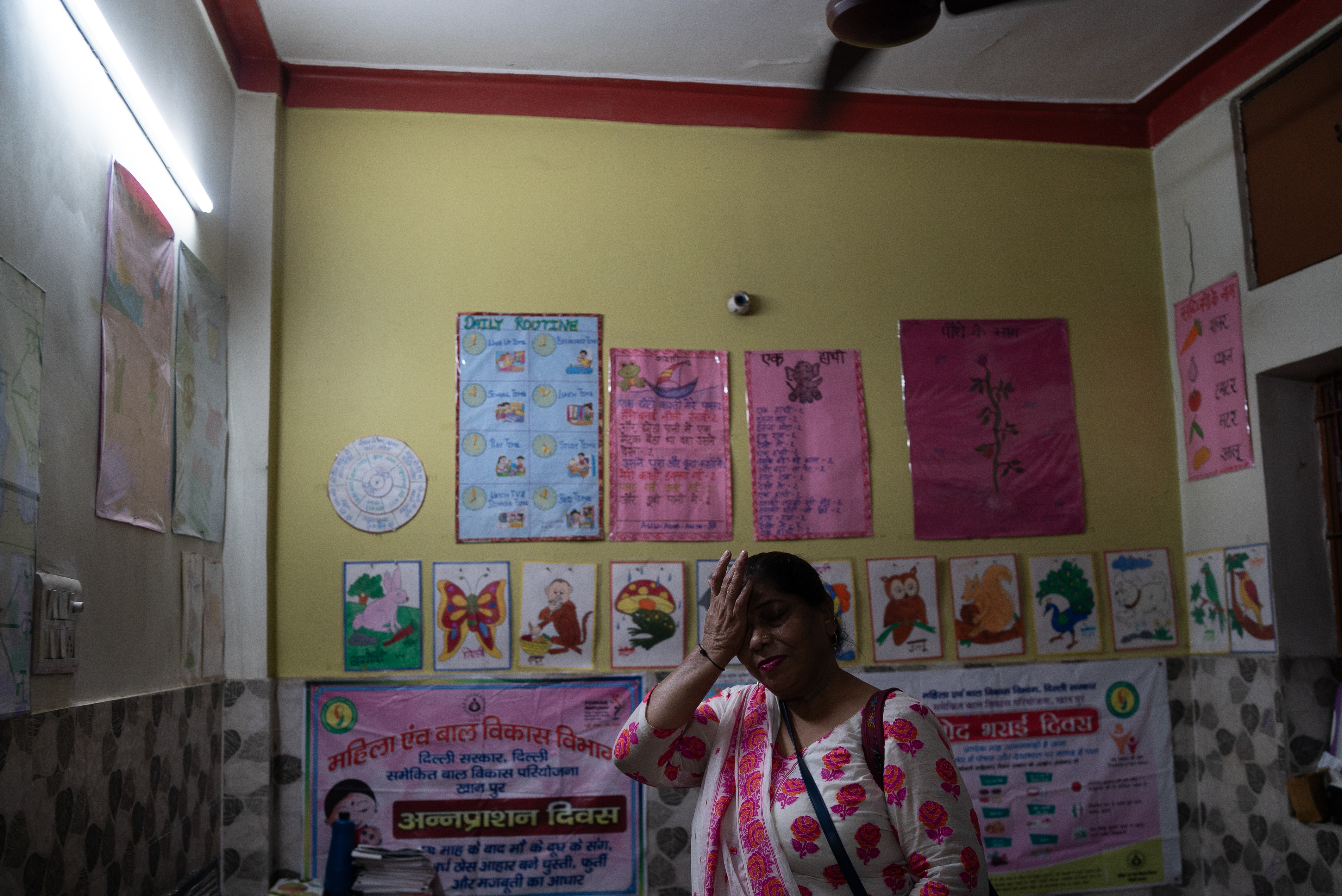
For women, who often cook meals for the family before leaving work and after arriving home, the exposure to heat each day can be particularly long.
Workers also reported psychological stress during periods of extreme heat, with impacts ranging from irritability and anger to difficulty concentrating, low mood, anxiety and mistakes at work.
Bharadwaj noted that workers also reported feeling hopeless and depressed.
COOLING THE RISKS
The fast-rising health, income and productivity threats from extreme heat could be reduced with a group of measures: heat-triggered cash transfers to the most vulnerable workers, improving access for migrant labourers to existing Indian health protection and food security benefits, and insurance policies to top up cash payouts during years with particularly extreme heat, Bharadwaj said.
Using existing Indian benefits transfer registries, workers could receive small cash payments on or ahead of particularly hot days – about six in an average year, and up to 12 in a hot year – “so they can stop working those days so they don’t get permanent loss and damage,” she said.
In years of particularly extreme heat, an insurance top-up would cover payments for up to 18 days a year, she said.
“The cost of providing this support is modest relative to the losses it can help prevent,” the report noted, with a price tag ranging from $780 million in a “normal” heat year to $2.1 billion in a record year. That is only between 2 and 6 percent of the estimated cost of annual wage lost from heat, it noted.
“By giving them 6-12 days of pay without work … (you) protect the productivity of these workers who produce the economy,” she said.

Heat-triggered cash payments and parametric heat insurance – which pays out automatically when temperatures pass a pre-set threshold – have been pioneered in India in recent years by leaders at HERA, working with India’s Self Employed Women’s Association (SEWA). The model is now being taken up by India’s government in partnership with SEWA.
The HERA model “provided a proof of concept,” Bharadwaj said, and now “it’s up to the government to take it to scale.”
She said insurance alone cannot provide enough of an income to cover losses as heat extremes grow, but that combined with cash transfers and other efforts to reduce risk – such as heat early warning systems and things like shade covers and cooling centers, as used in the HERA model – “it is part of the solution”.
Claire Harbron, the CEO of the Howden Foundation, which helped support the HERA insurance efforts, agreed that “insurance should only kick in for the really, really extreme heat events” but said it is an important part of a larger set of actions.
The report’s proposed measures need to be combined with broader efforts to make India’s infrastructure more heat resilient, through actions ranging from shoring up the reliability of the country’s power supply to planting more trees, protecting water supplies and designing streets with shaded walkways and cycle paths, said Ranjini Mukherjee, of CDRI, the Coalition for Disaster Resilient Infrastructure.
Reducing heat risks on public transport and in schools also should be a priority, she said, as well as making sure future development doesn’t happen in particularly heat-prone places.
Stronger workplace safety protections against extreme heat are also needed, the report’s researchers said, with most heat guidance now only advisory and limited to larger workplaces.
They urged India’s government to set a specific heat and humidity (“wet bulb”) threshold for employers to take action, and standardise what should be done, such as providing drinking water, electrolytes, shaded rest areas and adjusted working hours.
Heat stroke and other heat illnesses also should be recognised as an “occupational disease”, the report said.
India’s government recently has taken steps to formally recognise the serious impact of extreme heat, with heatwaves added in August 2026 to the list of recognised disasters in the country, paving the way for national relief funding to flow to areas affected by extreme heat.
“That’s a breakthrough. It’s a watershed moment in heat policy,” said Kathy Baughman McLeod, the CEO of HERA.