‘Suffocating’ heat and humidity imperil mothers and infants in south Pakistan
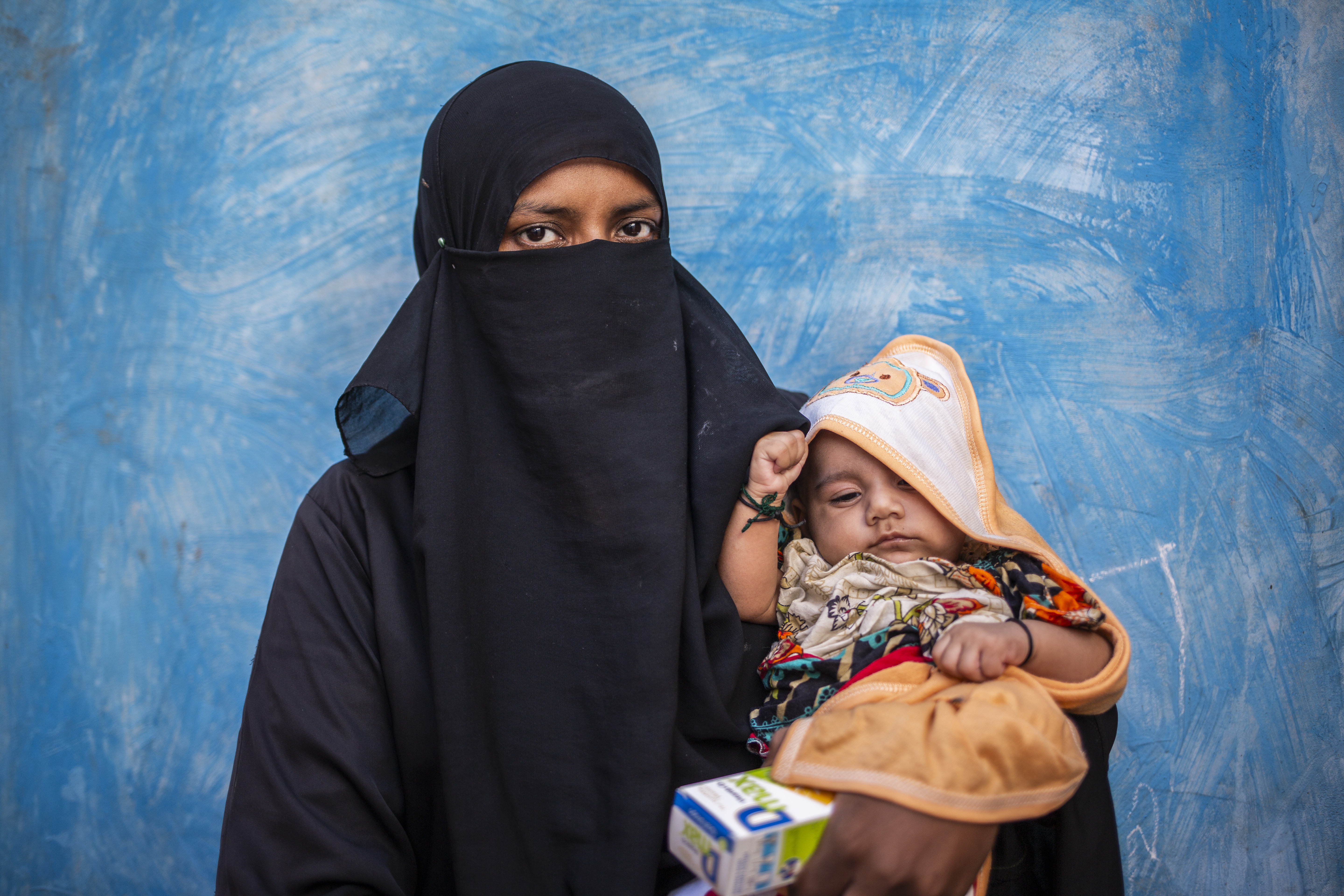
“My daughters cry and complain about the heat. They have blisters all over their bodies. I just want something that will give us relief”
By Zuha Siddiqui
On Baba Island, a sliver of land off the coast of Karachi, there are few ways to escape the wet blanket of heat and humidity that envelopes the island’s warren of concrete buildings for many months each year.
Power outages can last up to 18 to 20 hours a day, and clean running water is scarce. Homes, built along asphalt-paved alleyways lined with piles of garbage, are modest, without enough windows to capture the faint breeze whispering from the Arabian Sea. Trees are rare and roads off the island non-existent.
On a sweltering 41-degree Celsius (106 degree Fahrenheit) September day, with the humidity near 70 percent, Amna Sagar perches outside the island’s one place of respite for pregnant women and mothers like her – the Mama Baby Fund Clinic.
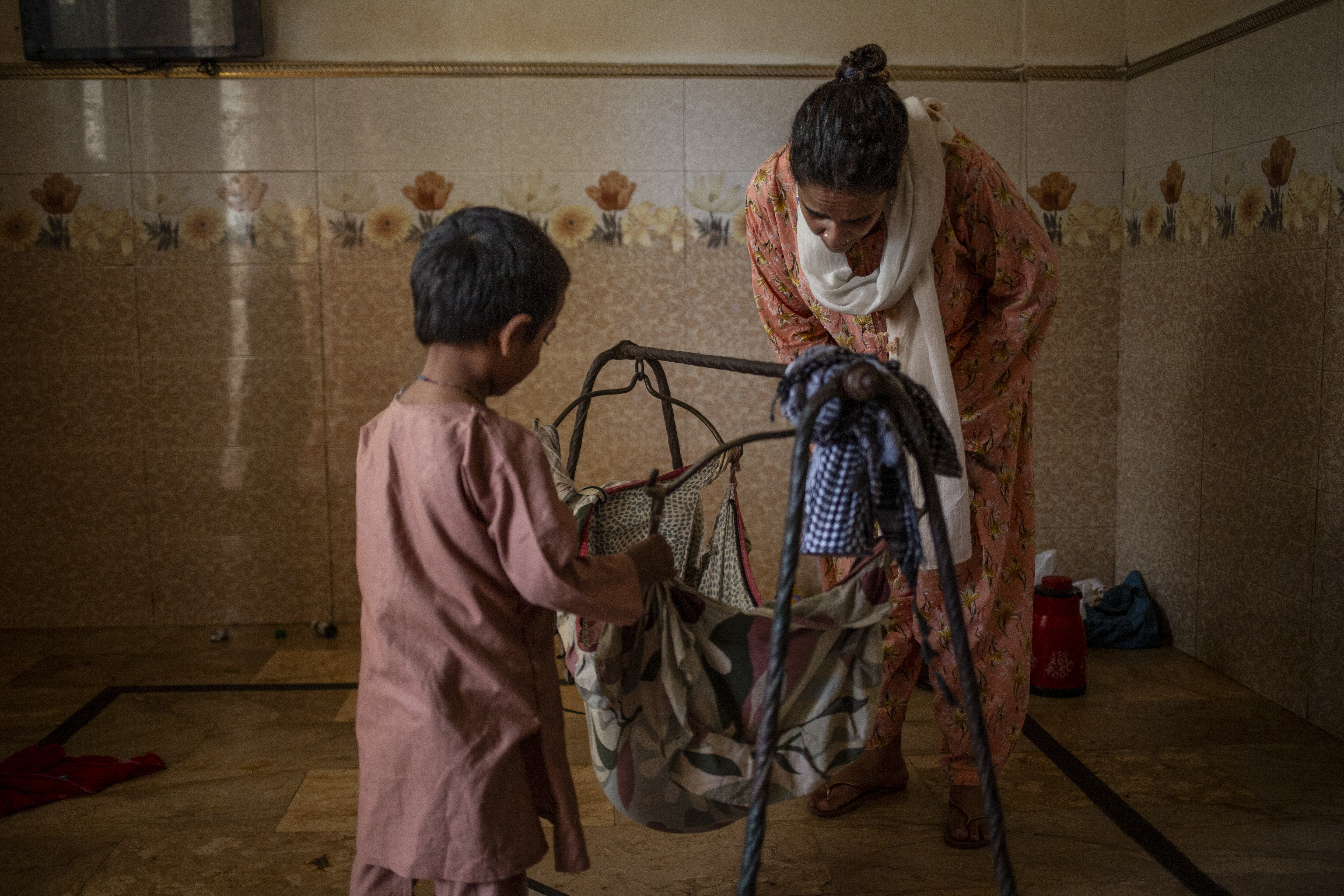
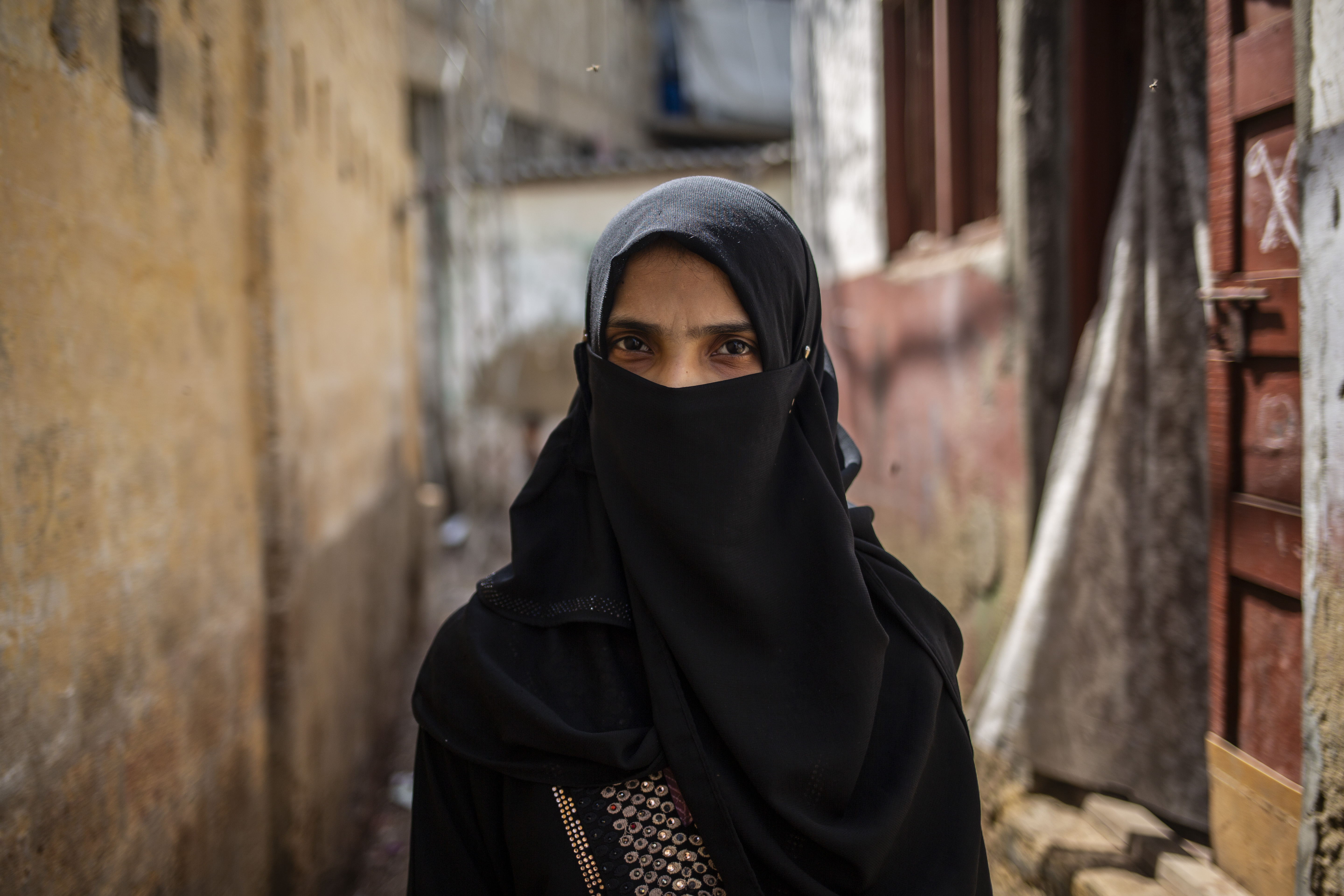
“It’s so hot I can’t sleep. My son can’t sleep either, even though I rock him in his crib all day. He has rashes all over his body” says Sagar, who is 25, five months pregnant and swathed in a thick polyester abaya, a modest cloak commonly worn by Pakistani women in conservative communities.
She complains of “ghabrahat” – suffocation – because of the heat.
In southern Pakistan and around the world, pregnant women and their unborn children are among those most at risk from lengthening exposure to extreme heat. A rapidly expanding body of research shows that women spending time in conditions like those on Baba Island is leading to more lost pregnancies, premature births, stillbirths and many other pregnancy-related threats such as preeclampsia.
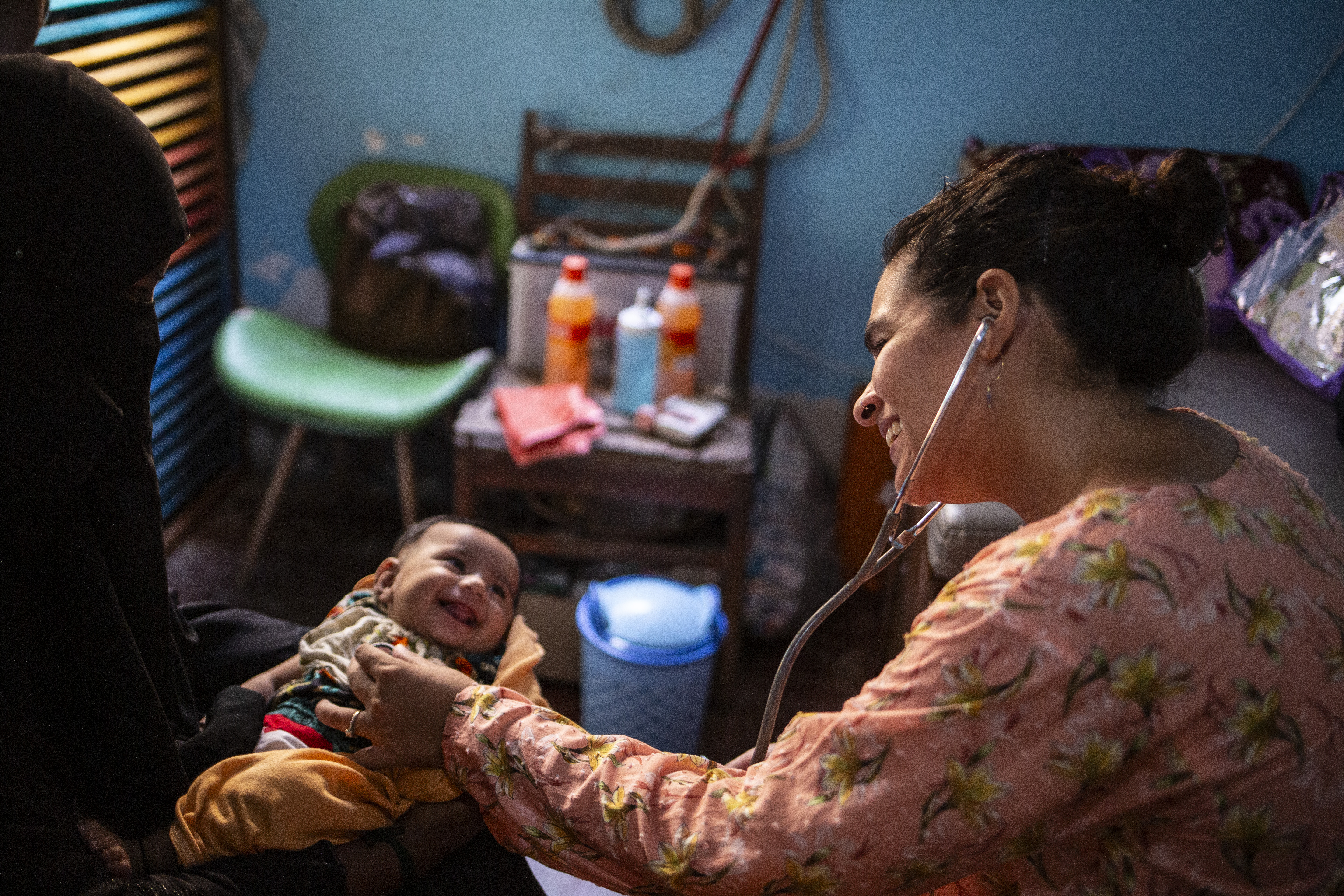
“We’ve been seeing frequent miscarriages, hypertension, dehydration and complications across all three trimesters,” said Carol Williams, a midwife working at the Baba Island clinic, which offers healthcare to women and their babies in the fishing communities off Karachi.
The non-profit clinic has distributed battery-operated rechargeable fans to some households of pregnant women across the island and “cooling packs” to new mothers, each with a spray bottle, neem soap, packets of oral rehydration salts and cloth napkins.
But there are limits to how effectively heat threats can be lowered in a place like Baba Island, where incomes are limited and women sometimes go into labour in temperatures approaching 50 degrees Celsius (122F).

LOOKING FOR RELIEF
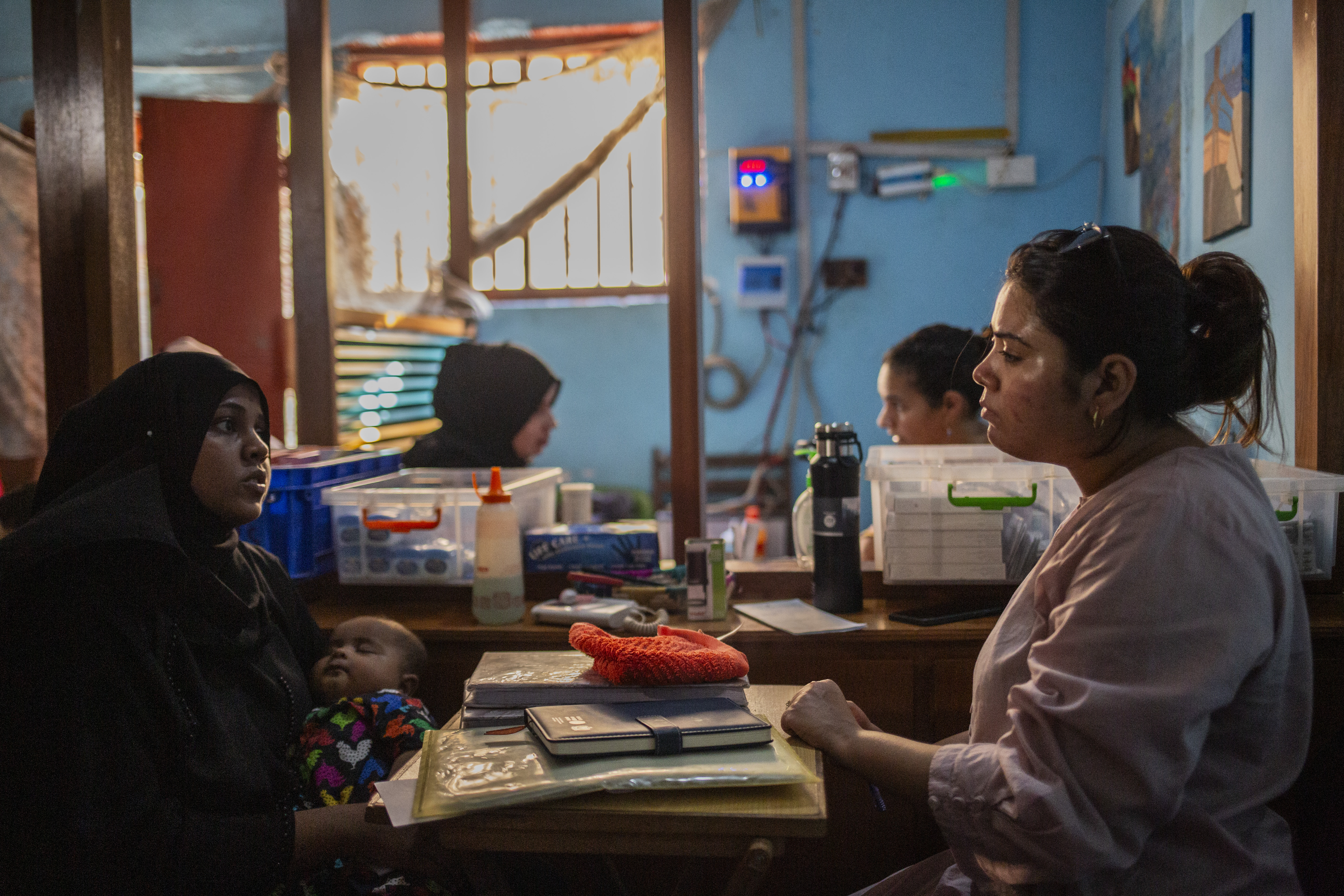
On a September morning, nearly 20 women cram inside the Mama Baby Fund’s small single-room maternity clinic. Some sit cross-legged on the floor, and others perch on the handful of plastic chairs lined up against the walls, clutching paper files containing prescriptions and medical test reports.
Bottles of oral re-hydration salts rest stacked on the shelves, and two slow-moving fans – powered by a solar panel and battery – spin overhead but do little to alleviate the stifling heat seeping into the room on the hottest September day in nine years.
When Neha Mankani, the midwife who runs the clinic, arrives at 9 am, the women swarm, clamouring to be seen. Some carry newborns, swaddled in cotton and covered in heat rashes.
“My daughters cry and complain about the heat. They have blisters all over their bodies,” said Sania, 23, who is two months pregnant with her third child. “I just want something that will give us relief.”
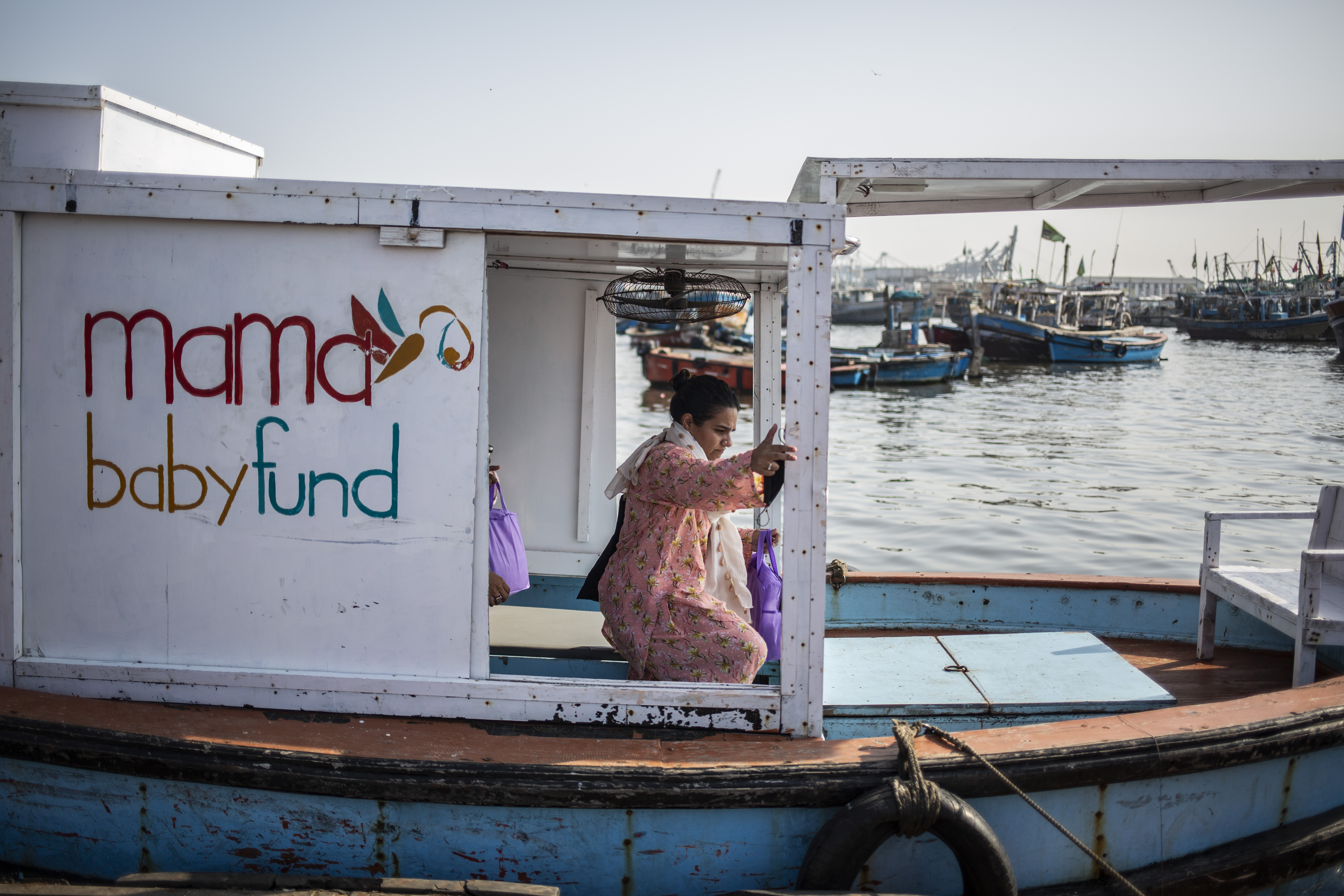
Mankani’s twice-a-week free clinic is the only provider of maternal, newborn and gynecological care for women on Baba Island, apart from a boat ambulance – also run free of charge by the clinic – connecting residents needing higher-level care to hospitals on the mainland.
The midwife and her team say that as climate change brings fiercer and longer heat seasons they have witnessed a slew of medical problems in newborns that they believe are tied to heat exposure before birth, including neurological, respiratory and heart conditions.
Researchers have also linked the formation of cataracts in the eyes of newborns to heat exposure before birth.
"We may be underestimating both the intensity and duration of heat exposure experienced by these women"
Anayda Portela, World Health Organization
For women, pregnancy makes heat harder to handle, because a pregnant woman’s metabolism is swifter, producing more heat and making it harder for her to cool down, health experts say. As she overheats, blood is redirected toward the skin to help shed heat.
“That can reduce blood flow to the uterus and placenta,” said Francesca Conway, a maternal and fetal medicine specialist and technical consultant at the World Health Organization. “Dehydration can also trigger contractions.”
Exposure to extreme heat can make a woman up to 26% more likely to deliver her baby prematurely, World Health Organization researchers found, with early birth regularly causing lifelong problems, including disabilities, for newborns.

Baba Island’s high humidity makes things even more difficult by impeding women’s ability to effectively sweat away heat.
“In humid heat the air is already saturated, so sweat drips off without cooling and body temperature keeps rising,” Conway said in an interview.
A 2025 study – which analysed the effects of prenatal exposure to extreme heat and humidity for approximately 200,000 children in Bangladesh, India, and Nepal – found that exposure to both heat and humidity was much more detrimental than hot temperatures alone.
The study found that humid heat was harmful in every trimester during pregnancy, and even in the three months before conception.

HARD TO STAY COOL
On a scorching morning on Baba Island scrawny cats paw through heaps of garbage while a scattering of older men and women mill around a water tanker docked near the harbour, waiting to fill – for a price – the jerry cans in their hand.
Drinking water on the island can be hard to access. In 2023, Karachi’s mayor inaugurated a reverse osmosis plant meant to provide 35,000 liters of water a day to 2,000 households on Baba island and nearby Bhit Island.
But three years later the plant has never been operational, and most residents purchase drinking water from a boat tanker for about 250 Pakistani rupees (90 U.S. cents) per jerry can.
The Karachi Water and Sewerage Corporation and the Sindh Department of Health did not reply to requests for comment.

Research shows women living in informal settlements face particularly high exposure to heat because of limited access to water, and because of often hot and poorly ventilated housing, overcrowding and unreliable access to electricity. Women’s traditional social roles – such as caregiving for children and the elderly and their responsibility for cooking meals – also keep them indoors for long periods.
In informal settlements with tin roofs and narrow passageways that limit airflow, indoor heat can often be worse than outdoor heat, researchers say.
“We can’t ignore the fact that there’s very little access to clean water here. Women can’t take frequent baths to cool themselves down, or charge their rechargeable fans when they only have electricity for four hours a day,” said Mankani, an expert with HERA’s Heat Science Hotline.
With few options for relief, many women turn to Mankani’s clinic as a place to sit under a moving fan for a few hours with their young children and sip on sugary tea before going back to their homes and the heat that awaits.
RESEARCH GAPS
Anayda Portela, a scientist with the World Health Organization’s Department of Maternal, Newborn, Child and Adolescent Health and Aging, said understanding of the impacts of heat on pregnancy are growing but gaps remain, particularly in understanding how long days and nights of exposure to heat are affecting women, especially in informal settlements.
“We have growing evidence that heat exposure can affect pregnancy outcomes, but much less evidence on women who work in informal settings, often from their homes, in environments with limited cooling, unreliable electricity and constrained access to water,” she said.
“This means we may be underestimating both the intensity and duration of heat exposure experienced by these women,” with impacts on everything from their dehydration risk to their incomes.

Meanwhile, the heat continues to intensify. Temperatures often soar beyond 35C during Karachi summers and the city has experienced at least 34 heatwaves since 2000. At least 10 people died in May this year, when temperatures passed 44 degrees Celsius – though scientists say heat deaths are dramatically undercounted.
Karachi Meteorological Department officials sometimes call the month of October a “second summer” , when heat peaks one last time before settling down for the winter months. This year, the city braved its hottest October, with temperatures climbing to 39 degrees Celsius, 2.2 degrees above what is typically recorded for the month.

The government of Sindh Province – where Baba Island and Karachi are located – in 2025 produced a heatwave management guide that lays out a range of actions designed to “ensure a coordinated and effective heatwave response.”
That includes establishing a heatwave warning system, with the Pakistan Meteorological Department, to provide “continuous monitoring and real-time information sharing” as well as conducting vulnerability mapping “to identify heat-prone districts, urban heat islands and high-risk populations such as the elderly, pregnant women, children and persons with disabilities.’
The guide also calls for efforts to improve public awareness about heat risks that target all communities, including marginalised ones.
Officials from the Sindh Province Department of Health did not respond to requests for information about how much of the plan has been implemented so far.
Experts say even more is needed to deal with fast-rising heat risks, including ensuring heat plans around the world – like that in Sindh – are fully put into practice, with financial and capacity restraints sometimes restricting that from happening.
Portela of the World Health Organization said stronger heat early warning systems need to be linked to action, so that warnings trigger concrete preparedness measures in health services and communities, rather than simply communicating that temperatures will be high.
“Heat plans need to make women, newborns and children visible in planning and monitoring processes. This includes collecting and analysing data, involving affected communities in decision-making, and ensuring that interventions are designed with vulnerable populations in mind,” she added.
“The goal is not only to respond to individual heat events, but to build more resilient health systems, communities and cities that can continue to protect women and children as temperatures rise.”